

Disclosure: This guide contains independent recommendations. We may earn a modest commission on verified bookings or gear at zero additional cost to you.
Why Food Quietly Destroys Most Travel Budgets
Food is often the fastest way to drain your travel wallet. Most travelers budget carefully for flights and accommodation. Yet once on the ground, daily food costs escalate rapidly. Eating at tourist restaurants three times a day burns through cash.
Service charges, bottled water, and bread basket fees compound without warning. In our own trips across Europe, Asia, and the Americas, food routinely ate half our daily cash. When you pay twelve dollars for breakfast and thirty dollars for dinner, funds vanish. Fortunately, eating memorable meals does not require spending a small fortune. A few calculated adjustments let you eat better while cutting dining costs by fifty percent.
What Usually Happens in Real Life
Consider the typical vacation day. You wake up hungry and step outside your hotel without a clear breakfast plan. Because your stomach is growling, you sit at the first cafe on the main square. You order a simple cappuccino and an ordinary pastry. When the bill arrives, you discover a six-dollar terrace surcharge.
Around two in the afternoon, exhaustion hits your travel group. You stop near a crowded cathedral and pick a spot with laminated picture menus. A promoter beckons you inside with fake charm. The pasta is soggy, the salad is wilted, and the bill runs sixty dollars. By evening, you feel frustrated and overspent. This common pattern happens because fatigue forces impulsive food decisions in high-rent tourist zones.
The 1-2-1 Meal System for Budget Travelers
To break this costly habit, we rely on the 1-2-1 meal system. It creates a simple structure for every day on the road. One meal comes from a neighborhood bakery or grocery store. One meal comes from a lively local street vendor or market stall. One meal can be a relaxed sit-down restaurant experience.
This balance lets you enjoy local culture without spending sixty dollars every afternoon. It keeps your daily food spending predictable and light. Your wallet stays intact, and you never feel deprived. You enjoy authentic regional cooking while avoiding the dreaded tourist markup trap.
Shopping Regional Supermarkets and Neighborhood Bakeries
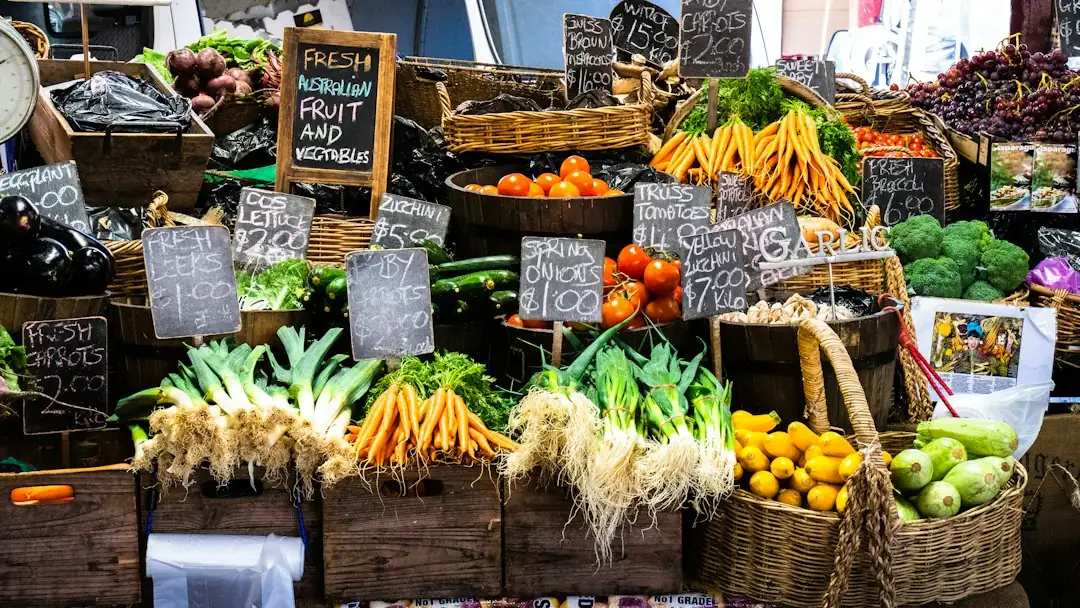
Local supermarkets are some of the most fascinating cultural stops in any foreign city. Wandering through local aisles reveals what residents genuinely eat. You can buy regional cheeses, cured meats, fresh fruit, and olives for a fraction of restaurant prices. Everything costs regular neighborhood rates instead of inflated traveler prices.
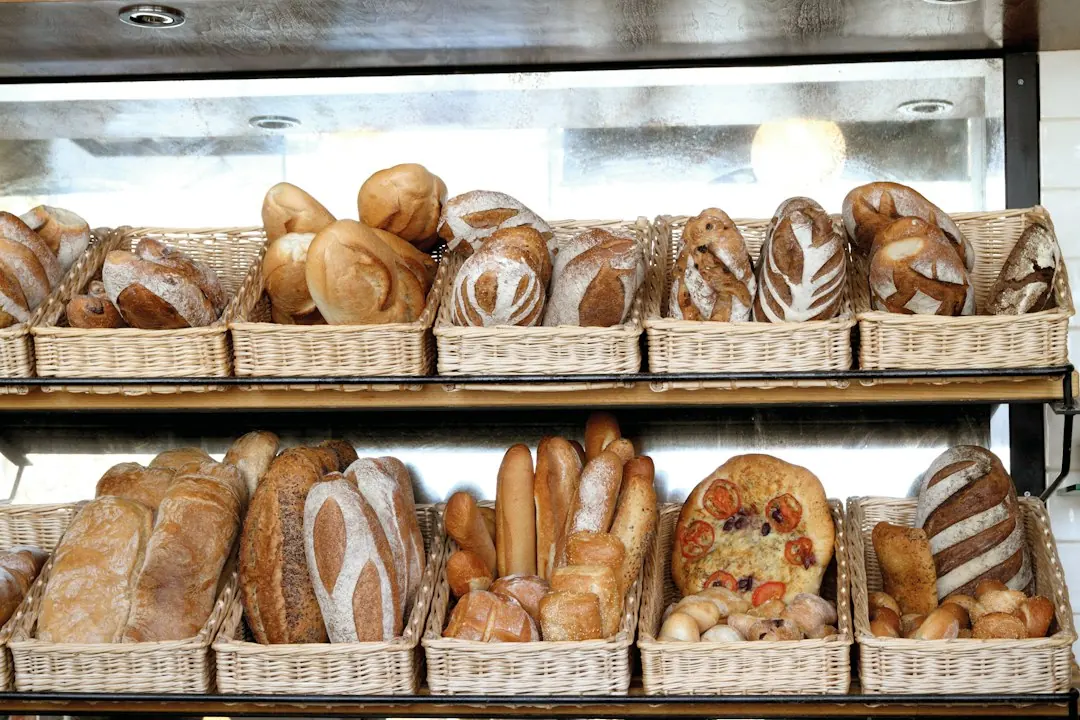
Skip the hotel breakfast buffet completely. Most hotels charge fifteen to twenty-five dollars for lukewarm eggs and generic toast. Instead, walk two blocks away from tourist corridors to a family bakery. A freshly baked loaf in France costs roughly one euro. A warm pastry in Portugal costs less than two euros. Pair it with fruit from a nearby grocer for a delicious breakfast under four dollars.

Timing Bakery Discounts and Evening Food Clearances
Neighborhood bakeries and gourmet delis want to sell fresh goods before closing. In many countries, shops slash prices by thirty to fifty percent during their final hour. In Japan, departmental grocery basements apply discount stickers to prepared bento boxes around seven in the evening.
In the United Kingdom and across Europe, supermarket chains mark down fresh sandwiches and salads late every afternoon. Taking advantage of these clearance schedules secures premium meals for pennies. It takes zero extra effort, just good timing as you head back to your room.
The Power of the Midday Set Menu
If you love dining at traditional sit-down restaurants, always go at lunchtime. Across Spain, France, Italy, and Latin America, restaurants offer fixed lunch menus. In Spain, this is known as the menu del dia. In France, look for the formule midi.
These midday menus feature two or three generous courses, bread, and often a drink for ten to fifteen dollars. The exact same dishes cost triple if ordered individually during dinner service. Eat your heaviest, most indulgent meal when lunch rates apply. Then enjoy a light street food snack or park picnic when night falls.
Finding Authentic Night Markets and Street Stalls
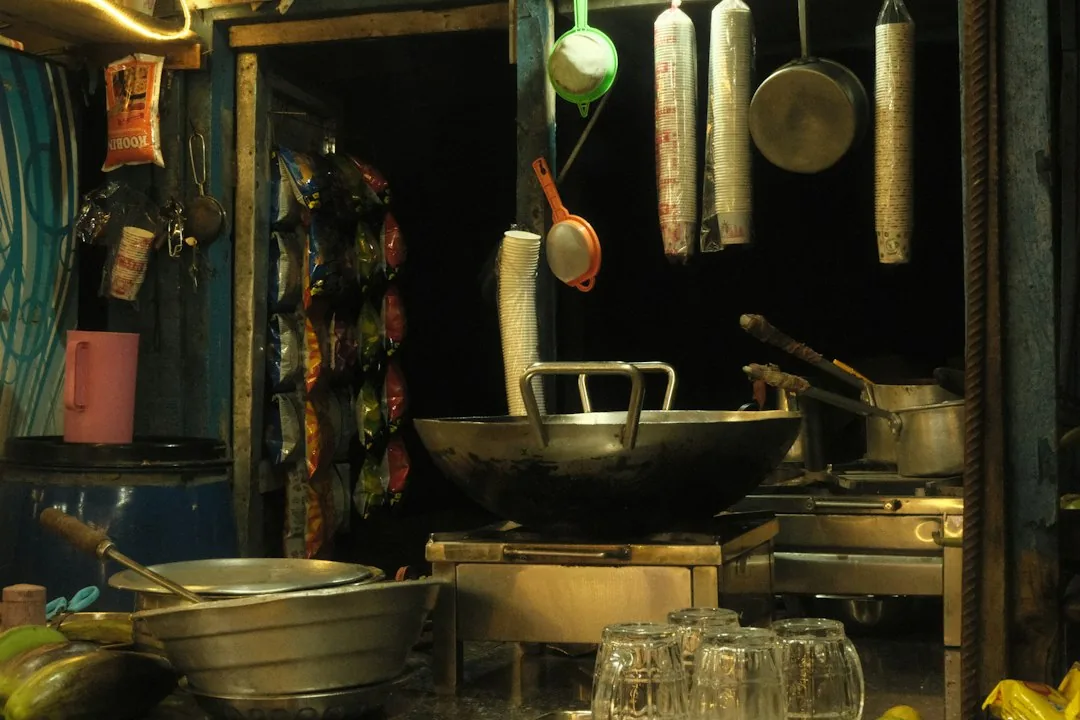
Street food offers both high culinary value and great cultural entertainment. When choosing a street stall, watch where local residents spend their money. Look for stands surrounded by office workers, families, and tradespeople.
A long line moves fast and indicates high ingredient turnover. That constant motion ensures meats and vegetables stay fresh and safely cooked. You watch the vendor prepare your food over high heat right before your eyes. You receive a hot, fragrant plate within minutes for four or five dollars.
What Most People Overlook
Most travelers overlook the stealthy drain of bottled beverages. Restaurants abroad often make forty percent of their profit purely on drinks. Ordering two bottled sodas or commercial beers adds eight to twelve dollars to a simple tab. Asking for a carafe of tap water is standard, safe, and completely free across much of Europe and North America.
Another overlooked factor is geography. Stepping three blocks away from major landmarks drops food prices by thirty to fifty percent immediately. Establishments facing cathedrals pay staggering rent. That overhead is passed directly onto your bill through inflated coffee and sandwich prices. Walk five minutes into quiet residential streets to find honest cooking and reasonable prices.
Common Mistakes Beginners Make
Avoid these common traps to protect your food budget:
- Sitting down without inspecting the menu: Always check prices on the door before accepting a table.
- Trusting aggressive sidewalk barkers: Quality restaurants never need staff shouting at tourists to fill their dining room.
- Buying food inside train stations: Station kiosks routinely charge double for stale sandwiches and basic bottled water.
- Ignoring the hostel or apartment kitchen: Boiling your own morning coffee or tea saves five to eight dollars per person.
- Purchasing convenience snacks at souvenir shops: Always walk fifty meters to a residential grocer for snacks.
- Forgetting to carry local cash: Small bakeries and top street food vendors rarely accept international credit cards.
Frequently Asked Questions
Is street food safe to eat in foreign destinations?
Yes, if you follow basic visual cues. Pick stalls with high turnover where ingredients do not sit in lukewarm bins. Confirm the vendor cooks each item fresh over high flame right before serving you.
How can I identify genuine local restaurants?
Look for menus printed exclusively in the local language. If a venue displays huge photo boards in six languages, it targets tourists. True neighborhood gems draw local families and write daily specials on a simple chalkboard.
Should I tip at restaurants while traveling abroad?
Tipping expectations vary drastically between countries. In much of Europe and Asia, service charges are already built into menu prices. Leaving small pocket change is polite, but tipping twenty percent is an unnecessary habit abroad.
