


Disclosure: This guide contains independent recommendations. We may earn a modest commission on verified bookings or gear at zero additional cost to you.
The Invisible Leak in Your Travel Spending
When planning a trip, people obsess over saving thirty dollars on plane tickets. Yet once they land abroad, they lose hundreds of dollars to invisible banking fees. Financial institutions love international travel because it generates massive profit margins.
Between three percent foreign transaction penalties, out-of-network ATM fees, and predatory currency conversion spreads, money vanishes quietly. On a three-week international trip, a couple can easily bleed two hundred to four hundred dollars in pure junk fees. Fortunately, setting up your cards correctly before departure stops this financial leak completely.
What Usually Happens in Real Life
Here is what happens to thousands of vacationers every single day. You land at an international airport after a red-eye flight. You spot a bright currency exchange counter claiming ‘zero percent commission’. You hand over four hundred dollars in cash and receive local bills.
You assume you received a fair deal. In reality, the booth used an exchange rate marked down by fourteen percent. You just threw sixty dollars away in five minutes. Later that evening at dinner, the credit card terminal asks if you want to pay in your home currency. You hit ‘yes’ thinking it feels familiar. That single tap triggers another eight percent conversion penalty. These traps thrive on traveler exhaustion.
The Golden Rule: Always Choose Local Currency at Payment Terminals
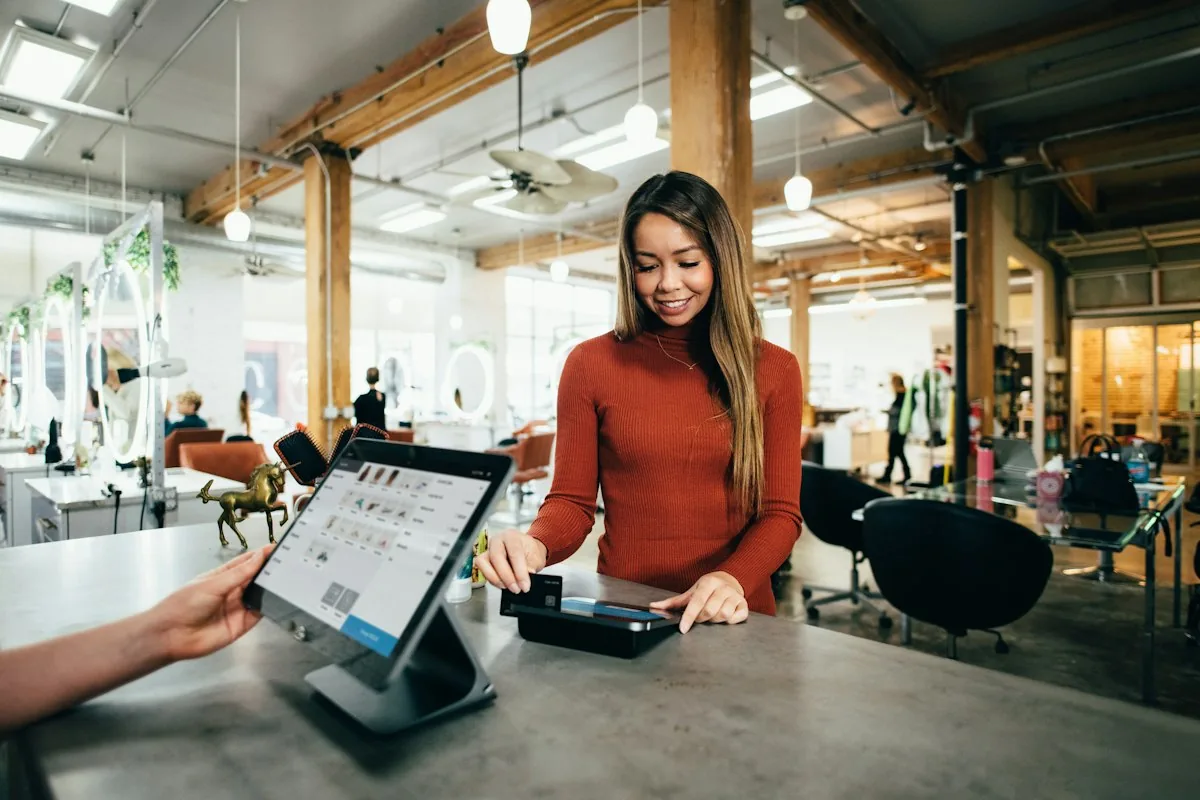
Whenever you tap your card at a restaurant, shop, or ATM abroad, the machine will often prompt you with a choice. It asks whether you want to be billed in US dollars or local currency. This predatory scheme is known as Dynamic Currency Conversion (DCC).
Always, without exception, choose to be billed in the local currency of the country you are visiting. If you are in Tokyo, choose Japanese Yen. If you are in Rome, choose Euros. When you select your home currency, the foreign merchant’s payment processor sets the exchange rate. They add an abusive markup of six to twelve percent. When you select local currency, your home bank handles the conversion at the true interbank rate.
Carrying a Zero-Foreign-Fee Debit and Credit Card
Standard credit cards charge a three percent foreign transaction fee on every purchase made outside your home country. That means spending three thousand dollars abroad costs you ninety dollars in pure bank penalty fees.
Switch to a credit card that explicitly offers zero foreign transaction fees. Travel cards from major providers eliminate this surcharge entirely. For cash withdrawals, open an account with institutions like Charles Schwab Bank or online accounts like Wise and Revolut. Charles Schwab reimburses all ATM fees worldwide at the end of each month, saving thirty to sixty dollars on every vacation.

Avoiding Standalone Blue-and-Yellow Tourist ATMs
Not all automated teller machines are created equal. When walking through tourist zones in Europe and Southeast Asia, you will see standalone ATM kiosks from companies like Euronet. These brightly lit machines sit on street corners and outside souvenir shops.
Avoid these machines at all costs. They are notorious for aggressive exchange markups, exorbitant withdrawal fees, and tricky screen prompts designed to deceive users. Always seek out an official ATM attached to a physical, brick-and-mortar commercial bank. Bank-owned machines provide fair rates, superior security, and far lower risk of skimming devices.
Setting Up Secondary Travel Accounts and Digital Wallets
Never travel with only one card tied to your primary life savings account. If an overseas ATM swallows your card or an online skimmer compromises it, you face an immediate crisis in a foreign country.
Maintain a dedicated secondary checking account specifically for travel funds. Transfer just enough money for three to four days of expenses. Store your backup cards securely in your hotel room safe. In addition, load your cards into digital wallets like Apple Pay or Google Pay. Digital wallets use encrypted tokenization, preventing card skimming at public terminals.
Setting Up Two-Factor Authentication and Emergency Cash Stashes
Modern banking apps frequently send two-factor security codes via SMS text messages when you log in from foreign IP addresses. If you swap your physical SIM card at the airport, you might lose access to your home cell number.
Before leaving home, switch your bank two-factor authentication to an authenticator app or email verification. In addition, tuck away one hundred dollars or euros of crisp paper cash inside your toiletry kit. This emergency cash reserve gives you peace of mind if your wallet is lost or cards are temporarily blocked.
What Most People Overlook
Most travelers overlook the hidden trap of debit card pre-authorization holds. When you check into a hotel or rent a vehicle, the merchant places a hold for incidental charges. This hold can freeze three hundred to eight hundred dollars of your available cash for up to two weeks.
If you use a debit card, that money is locked away from your daily spending balance. Always use a credit card with a high credit limit for hotel deposits and car rental holds. This keeps your actual checking account liquid and ready for cash withdrawals and daily meals.

Common Mistakes Beginners Make
Protect your hard-earned funds by avoiding these frequent banking blunders.
- Exchanging large cash amounts at airport arrival kiosks: Airport desks offer the worst currency conversion spreads in the world.
- Accepting Dynamic Currency Conversion: Never let payment terminals convert bills into your home currency.
- Using credit cards for cash advances at ATMs: Cash advances trigger immediate interest charges exceeding twenty-five percent.
- Traveling with only one physical payment card: Always carry a backup card stored separately from your primary wallet.
- Failing to notify your bank before flying abroad: Some banks still flag foreign charges and freeze cards unexpectedly.
- Leaving daily ATM withdrawal limits too high: Set a reasonable daily withdrawal cap in your banking app for security.
Frequently Asked Questions
Is it still necessary to carry physical cash when traveling abroad?
Yes, carrying modest amounts of cash remains essential. While tap-to-pay dominates European cities, cash is required for street food, public restrooms, small bakeries, and tips.
What should I do if an overseas ATM eats my debit card?
Open your banking app immediately on your smartphone and freeze the card. Then alert the bank branch staff if the ATM is attached to an open physical bank. Never accept help from strangers standing nearby.
Are prepaid travel currency cards worth buying?
Generally no. Prepaid multi-currency cards often feature hidden inactivity fees, reload charges, and inferior exchange rates. A no-fee debit card from a legitimate bank performs far better.
