


Disclosure: This guide contains independent recommendations. We may earn a modest commission on verified bookings or gear at zero additional cost to you.
The Allure of Wilderness Coastal Paddling
Few wilderness experiences match the sheer freedom of loading all your camping gear into a touring sea kayak. You slip into the water, paddle beneath towering ocean cliffs, and land on pristine beaches unreachable by road.
However, the ocean is a dynamic, powerful wilderness that demands deep respect. Unlike tranquil freshwater lakes, coastal waters feature shifting tides, swell, and offshore wind systems.
Transitioning from casual lake paddling to multi-day coastal expeditions requires specialized technical skills. Mastering sea kayak safety, marine navigation, and packing protocols ensures your coastal journey is exhilarating and safe.
What Usually Happens in Real Life
Novice paddlers rent recreational plastic kayaks and launch onto coastal waters on a sunny summer morning. They paddle effortlessly with the outgoing tide and gentle tailwind.
Four hours later, they decide to turn around and paddle back to their launch beach. They suddenly find themselves battling a roaring five-knot outgoing current and a twenty-knot headwind.
Within thirty minutes, physical exhaustion sets in. Waves begin splashing across open cockpits, swamping the boats. Panic ensues. This dangerous predicament happens because paddlers treat the ocean like a lake, ignoring tidal currents and wind shifts.

Understanding Tides, Currents, and Wind Windows
On coastal waters, the marine clock dictates your daily schedule. Tides rise and fall every six hours, creating powerful horizontal flows of water called tidal currents.
Before launching, study nautical tide and current tables for your specific paddling zone. Plan your departure so the tidal current carries you forward rather than forcing you to paddle against the current.
In addition, monitor daily wind cycles closely. Coastal areas typically experience calm conditions in early morning, followed by stiff onshore sea breezes in the afternoon. Launch at dawn to complete major crossings before afternoon winds kick up whitecaps.
In our own coastal expeditions around British Columbia and Maine, catching the ebb tide turned a grueling six-hour paddle into a relaxed three-hour glide. Working with natural ocean rhythms preserves your physical energy for setting camp.
Mastering the Wet Exit and Self-Rescue Protocols
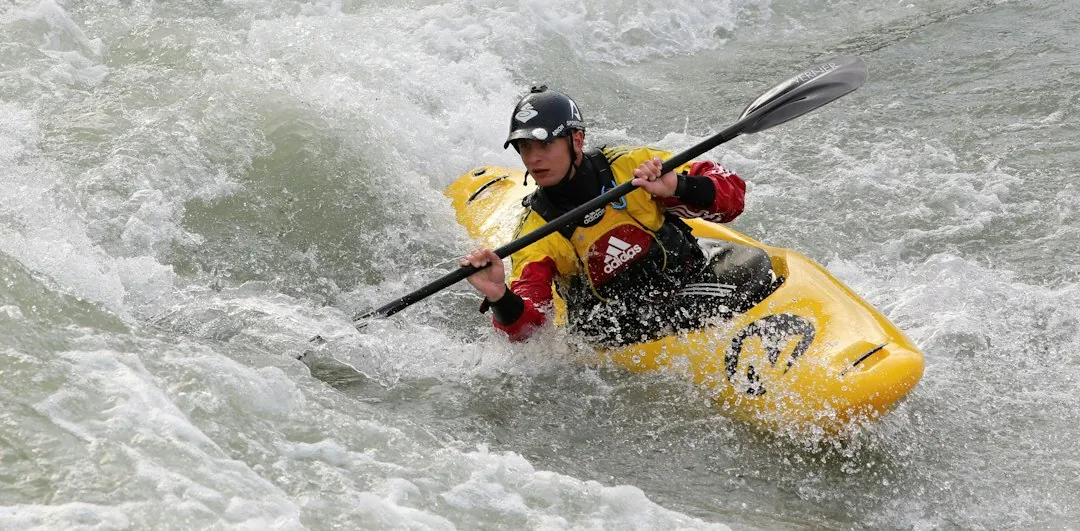
Before taking a sea kayak into open water, you must be completely comfortable with capsize recovery. You will wear a neoprene spray skirt that seals your lower body inside the cockpit.
Practice the ‘wet exit’ in controlled, shallow water until it feels like second nature. When upside down, find the spray skirt grab loop, pop the seal, and slide smoothly out of the boat.
In addition, master the paddle float self-rescue. Inflate a float bag over one paddle blade to create a stable outrigger pontoon. This allows you to climb back into your cockpit and pump out water in deep ocean conditions without assistance.
Packing Watertight Bulkheads and Weight Distribution
True sea kayaks feature sealed bulkheads at the bow and stern accessible through rubber hatch covers. These compartments provide dry storage and essential positive buoyancy if the cockpit floods.
Pack all clothing, sleeping bags, and electronics inside durable, heavy-duty dry bags before loading them into hatches. Never rely on the kayak hatches alone to be one hundred percent waterproof.
Pack heavy items like water bladders, canned foods, and camp stoves low and centered near the cockpit. Place lighter items like sleeping bags in the far ends of the bow and stern. Proper weight distribution keeps your kayak stable and responsive in rough chop.
Essential Safety Gear: VHF Radios and Flare Kits
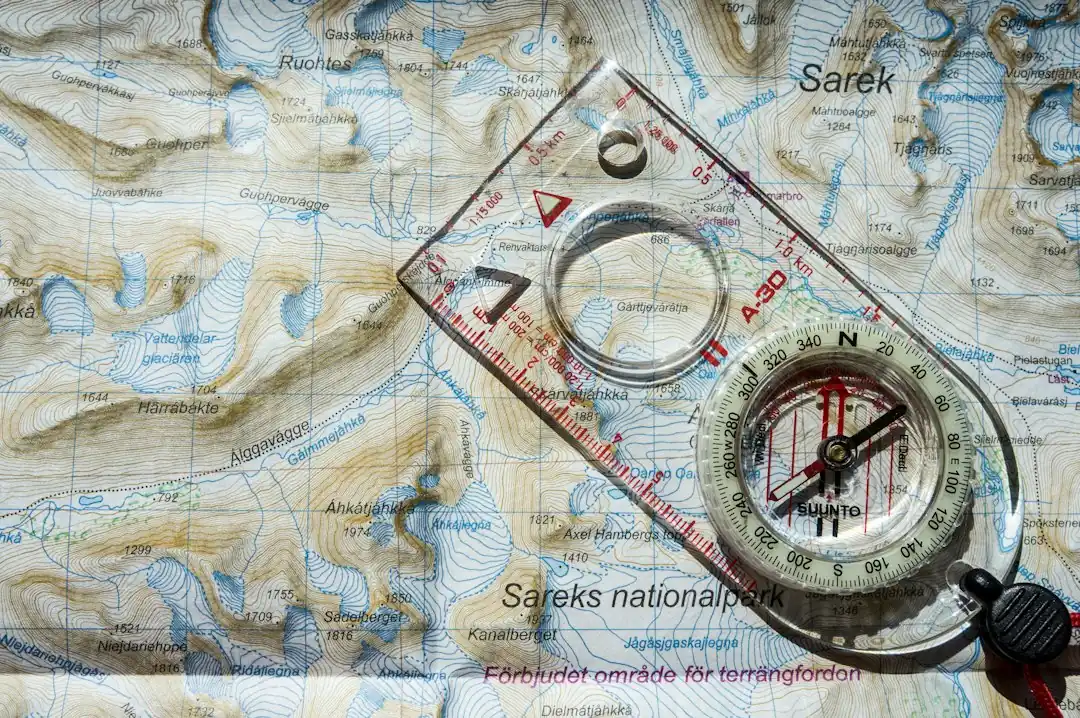
Cell phone coverage vanishes quickly once you paddle behind coastal headlands and cliff walls. A reliable marine communication setup is mandatory safety equipment.
Carry a submersible, floating VHF marine radio tethered securely to your personal flotation device (PFD). Channel 16 connects you immediately with the Coast Guard and nearby commercial vessels in emergencies.
In addition, pack an aerial flare kit, a loud marine whistle, a deck compass, and a high-volume bilge pump. Test your manual bilge pump regularly to ensure you can clear flooded cockpits quickly.
The High Tide Beaching Rule
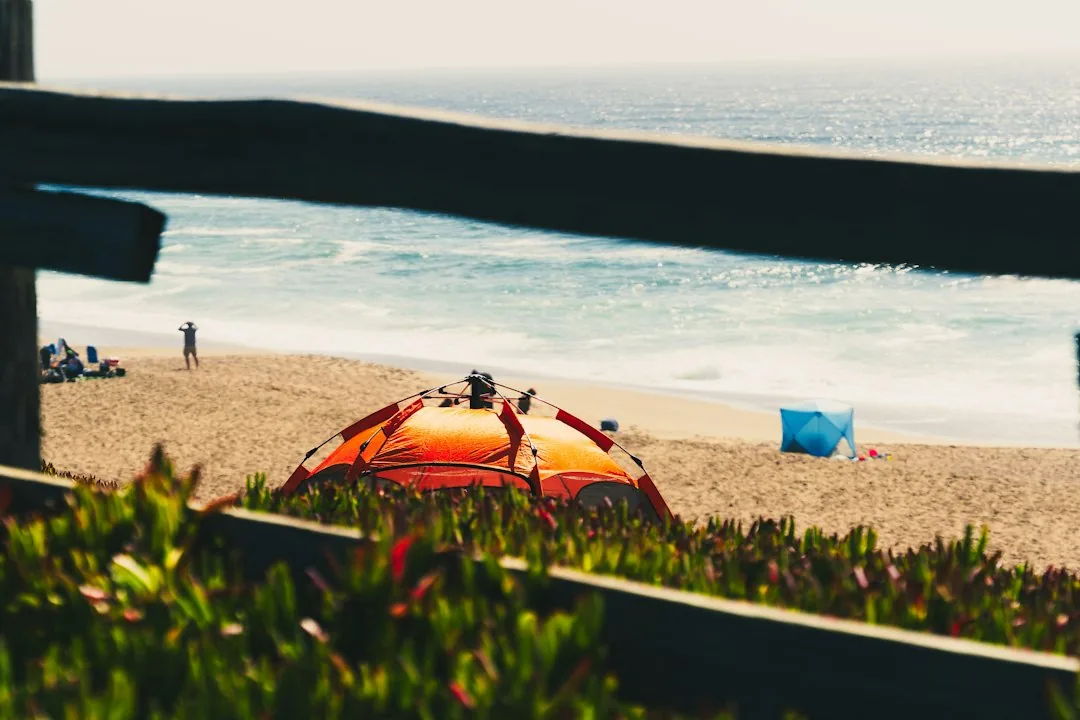
Landing on a remote sandy beach after a long paddle feels triumphant. However, failing to understand tidal height ranges can leave you stranded without a kayak.
Tides can rise ten to twenty feet vertically over six hours. A kayak pulled up on dry sand at low tide will be floating away out to sea two hours later if neglected.
Always inspect the high water mark indicated by seaweed drift lines and driftwood piles. Carry your kayak completely past this high tide line and tie it securely to a sturdy drift log or tree. Never go to sleep without double-checking your boat’s security.
What Most People Overlook
Most paddlers overlook the dehydrating effect of ocean paddling. Salt spray, reflective glare from water, and constant physical exertion deplete fluids and electrolytes rapidly.
Carry fresh water inside a hydration bladder mounted directly behind your seat with a drinking tube clipped to your chest. Sip clean water every twenty minutes to prevent heat exhaustion and muscle cramping while on open crossings.

Common Mistakes Beginners Make
Keep your coastal sea kayaking expedition safe by avoiding these frequent beginner errors.
- Paddling without a fitted personal flotation device: Always wear your PFD zipped and buckled securely at all times.
- Launching in recreational short kayaks: Sea kayaking requires a minimum fourteen to seventeen-foot touring boat with bulkheads.
- Paddling alone without a float plan: Leave a written itinerary and expected return time with a trusted contact onshore.
- Ignoring sea fog forecasts: Dense ocean fog can drop visibility to ten feet in minutes, making compass orientation essential.
- Failing to secure gear to the deck: Loose water bottles and pumps will wash away instantly in rough waves.
- Paddling beyond physical limits: Reserve thirty percent of your stamina for unforeseen tidal headwinds on return legs.
- Neglecting sun protection: Water reflects intense UV rays, so wear wide-brim hats, polarized sunglasses, and zinc sunscreen.
Frequently Asked Questions
How far can a beginner sea kayaker paddle in one day?
Ten to twelve nautical miles per day is a realistic goal for beginners in loaded touring kayaks. This allows for leisurely paddling, lunch breaks, and buffer time for wind changes.
What should I wear for sea kayaking in cold coastal waters?
Always dress for the water temperature, not the air temperature. In water below sixty degrees Fahrenheit, wear a neoprene wetsuit or a breathable drysuit with thermal undergarments.
How do I handle ocean swell and rolling waves?
Keep your upper body relaxed and let your hips roll freely with the boat. Maintain steady forward paddling momentum, as a moving kayak is significantly more stable than a stationary boat.
