
The Biology of Jet Lag and Circadian Disruption
Crossing multiple time zones in a pressurized metal tube challenges human biology. Our bodies operate on circadian rhythms refined over millions of years.
When you fly from New York to Paris or London to Tokyo, your external environment suddenly conflicts with your internal cellular clock. Your body expects deep sleep when local clocks show noon.
The result is jet lag. Sufferers experience brain fog, extreme fatigue, digestive distress, and insomnia. You waste the first three days of your vacation feeling like a zombie.
However, jet lag is not an inevitable punishment. By understanding circadian biology and applying strategic behavioral routines, you can adjust to new time zones with remarkable speed.
What Usually Happens in Real Life
Travelers board an overnight transatlantic flight exhausted from packing late the night before. They drink two glasses of free airline wine to relax.
Alcohol dehydrates the body rapidly in dry cabin air and disrupts REM sleep architecture. Travelers wake up four hours later feeling groggy with a dry throat.
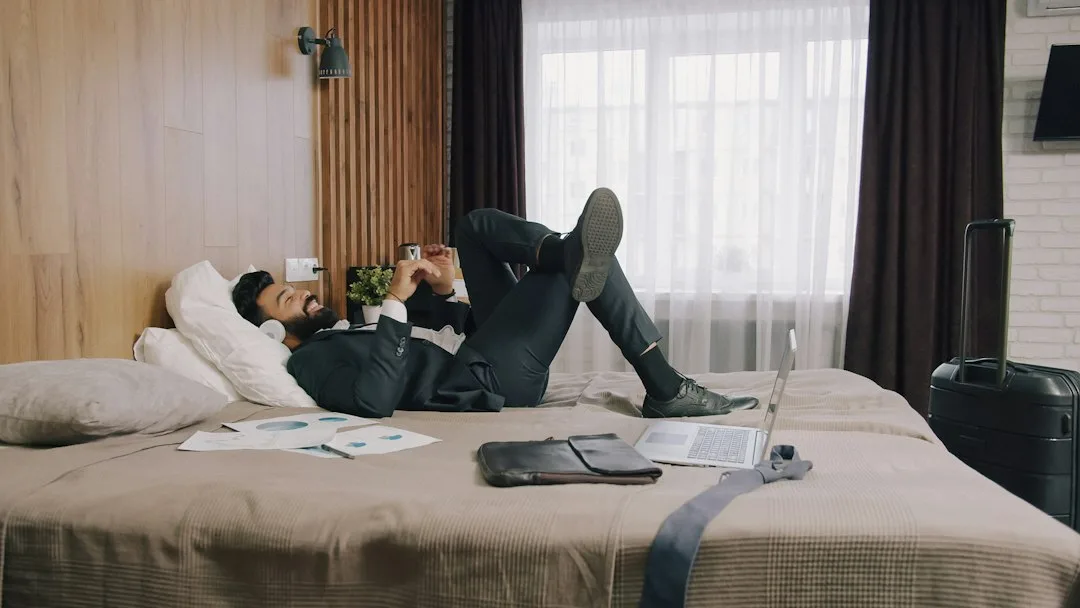
Upon landing in Europe at eight in the morning, their bodies feel like it is two in the morning. They drag luggage to the hotel and immediately collapse onto the bed for a four-hour afternoon nap.
This long afternoon nap cements circadian confusion. At two in the morning, they wake wide awake and stare at hotel ceilings until dawn.
This vicious cycle ruins the first half of their trip. Breaking this pattern requires deliberate preparation before and during your journey.

The Pre-Flight Shift: Adjusting Your Sleep Window in Advance
Recovery begins days before stepping inside an airport. You can dramatically lessen jet lag severity by shifting your sleep schedule gradually.
When traveling east toward Europe or Asia, shift your bedtime thirty to forty-five minutes earlier each night for three consecutive days before departure. Wake up earlier as well.
When traveling west across the Pacific, do the opposite. Stay up thirty to forty-five minutes later each night and expose yourself to evening indoor light.
This gradual advance adjustment narrows the time zone gap before you ever board. Your body clock arrives halfway to your destination ahead of schedule.
In-Flight Cabin Strategy: Clock Reset and Hydration Rules
As soon as you settle into your airplane seat, immediately change your watch and phone clocks to the destination local time. Mentally commit to this new schedule.
If local time at your destination is eleven at night, close your window shade and attempt to sleep immediately. If it is midday, stay awake and read.
Cabin humidity on commercial passenger jets hovers around ten to fifteen percent, drier than most desert environments. Dehydration magnifies jet lag symptoms significantly.
Drink eight ounces of water for every hour spent in flight. Avoid alcohol and excessive caffeine, both of which degrade restorative sleep quality.

Harnessing Natural Sunlight: The Master Circadian Anchor
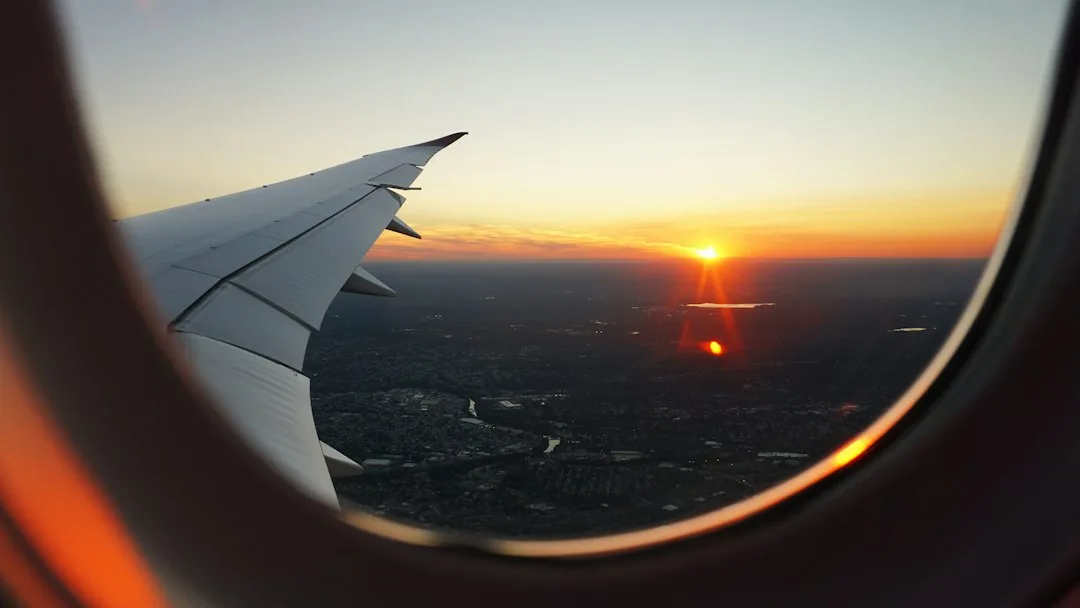
Natural outdoor sunlight is the most powerful zeitgeber, or environmental timing cue, available to the human nervous system. Specialized photoreceptors in your eyes signal your brain’s master clock.
When you land at your destination in the morning, head outdoors immediately. Spend at least forty-five minutes walking outside in bright natural sunlight without sunglasses.
This direct optical light exposure suppresses melatonin production and anchors your circadian rhythm to local daylight. It signals your body that daytime has begun.
If you arrive in the late afternoon, seek out sunset light instead. Evening light delays your circadian clock, helping you stay awake until an appropriate local bedtime.
The 20-Minute Power Nap Rule and Meal Timing
The hardest challenge of long-haul travel is surviving the mid-afternoon energy crash on day one. Your body will scream for a long, deep sleep.
Never take a multi-hour nap during your first afternoon. Sleeping for two or three hours drops you into deep slow-wave sleep, resetting your clock back to home time.
If exhaustion becomes unbearable, set a strict alarm for twenty minutes. A twenty-minute power nap clears adenosine buildup in your brain without entering deep sleep.
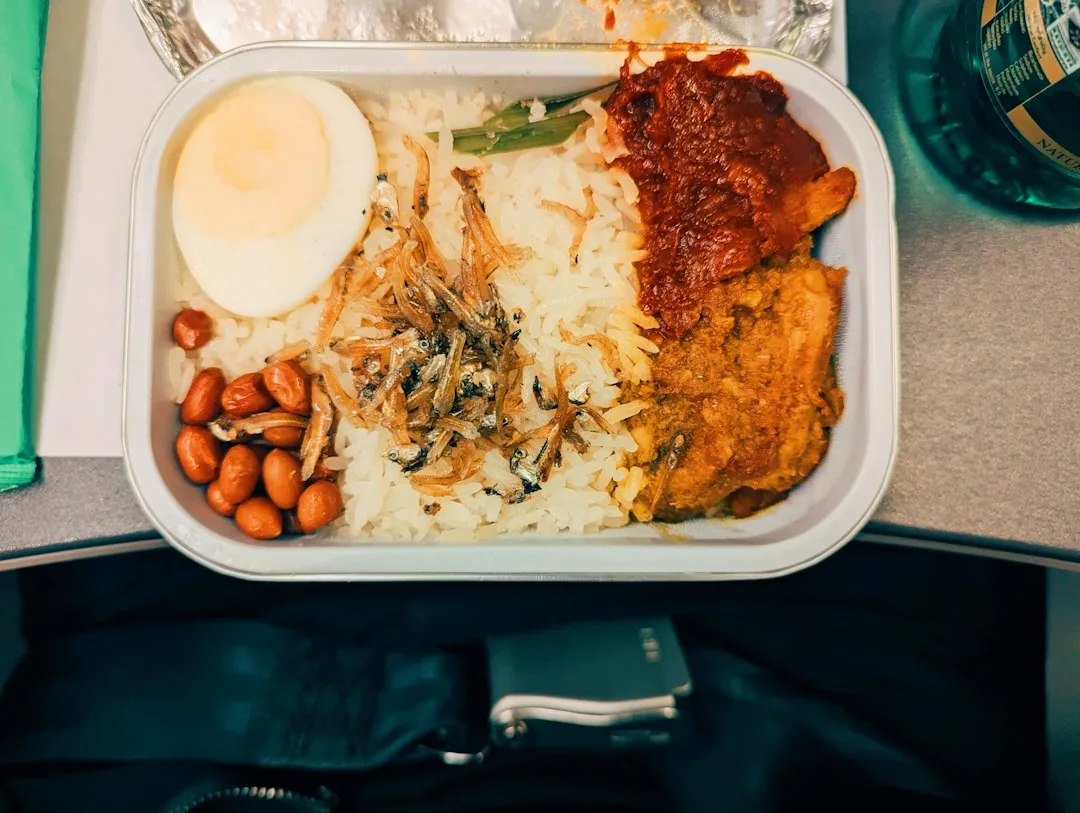
Additionally, synchronize your meals to local dining hours immediately. Eating meals activates secondary circadian clocks in your liver, stomach, and digestive tract, reinforcing your new schedule.

What Most People Overlook
Most travelers overlook the directionality factor in circadian biology. Traveling east is biologically harder to recover from than traveling west.
The human circadian rhythm is slightly longer than twenty-four hours, running around twenty-four point two hours naturally. Extending your day by traveling west aligns with your natural cycle.
Shortening your day by traveling east forces your internal clock to compress, which causes more severe disorientation. When traveling east, you must be far more disciplined with light exposure.
Consider low-dose melatonin supplements taken thirty minutes before local bedtime on your first three nights. Micro-doses of zero point five to three milligrams signal your brain that darkness has arrived.
Common Mistakes Beginners Make
Avoid these frequent mistakes to ensure rapid jet lag recovery on long flights.
- Drinking heavy alcohol on the plane to sleep: Alcohol prevents restorative REM sleep, leaving you exhausted and severely dehydrated upon landing.
- Relying on high-dose sleeping pills: Prescription sleeping aids cause grogginess and increase risk of deep vein thrombosis by preventing natural movement.
- Wearing dark sunglasses all morning after landing: Blocking natural morning sunlight prevents retinal photoreceptors from resetting your circadian rhythm.
- Eating heavy carbohydrate meals upon arrival: High-carb meals induce insulin spikes and subsequent energy crashes. Focus on lean protein and crisp vegetables.
- Going to bed early on day one: Push through until ten in the evening to lock in a full night of restorative sleep.
- Staying indoors inside hotel rooms: Dim indoor lighting cannot reset your circadian clock. Natural outdoor ambient daylight is thousands of times brighter.
Frequently Asked Questions
Here are direct answers to common questions about beating jet lag and staying energized abroad.
How long does it take for the body to naturally overcome jet lag?
A general physiological rule of thumb is that the human body adjusts by approximately one time zone per day without interventions. An eight-hour time zone jump would take over a week naturally. Applying proactive light and sleep routines reduces this adjustment to just two days.
Does melatonin really help with jet lag recovery?
Yes, peer-reviewed clinical studies confirm that melatonin taken at the destination bedtime significantly reduces jet lag severity. A modest dose of one to three milligrams taken thirty minutes before sleep helps initiate natural sleep onset on eastward journeys.
Should I sleep on the plane if it is daytime at my destination?
No. If local time at your destination is daylight hours, force yourself to stay awake on the aircraft. Watch movies, read, and walk the aisles. This builds healthy sleep pressure so you fall asleep naturally upon your first night abroad.