

Disclosure: This guide contains independent recommendations. We may earn a modest commission on verified bookings or gear at zero additional cost to you.
The Problem with Mainstream Hotel Pricing
Accommodation is typically the single largest expense of any journey. Standard city hotels now routinely charge over one hundred and eighty dollars per night. When you add municipal bed taxes and resort surcharges, bills climb terrifyingly fast.
Spending half your travel budget just to rest your eyes makes little sense. Most people spend only eight hours sleeping in their room. The rest of the day belongs to exploring streets, museums, and natural wonders. Luckily, smart lodging alternatives exist that deliver incredible charm, safety, and comfort for a tiny fraction of conventional hotel costs.
What Usually Happens in Real Life
Most travelers open a popular booking app two weeks before their trip. They filter by three-star hotels and select whatever appears near the city center. Upon arrival, they find a sterile, cookie-cutter room with paper-thin walls and noisy street traffic.
They pay two hundred dollars a night for an experience devoid of any local character. Even worse, lack of kitchen facilities forces them to eat every meal at expensive cafes. Within seven days, lodging alone consumes over fifteen hundred dollars. By exploring unconventional lodging networks, you can enjoy far richer cultural stays while spending fifty to seventy dollars per night.
Monastery and Convent Stays for Serene Comfort
Monasteries and convents throughout Italy, Spain, France, and Austria welcome civilian travelers. You do not need to practice any religion to book a room. Religious orders have hosted pilgrims and wayfarers for centuries as part of their historic mission.
These properties offer spotless private rooms with private bathrooms inside historic buildings. You sleep inside centuries-old cloisters surrounded by peaceful courtyards, stone arches, and manicured gardens. Rates typically range between forty and seventy dollars per night, often including a wholesome breakfast. The peaceful quiet offers deep restorative rest after long days of walking busy city streets.
The Boutique Hostel Private Room Advantage
Hostels have transformed dramatically over the past decade. The days of cramped, noisy party basements are no longer the industry standard. Today, boutique design hostels compete directly with trendy boutique hotels.
Many offer stylish private en-suite rooms with premium mattresses, air conditioning, and soundproofing. You get the privacy and comfort of an upscale hotel room. In addition, you get access to shared guest kitchens, cozy lounges, and organized walking tours. Private rooms in design hostels generally cost forty to sixty percent less than comparable hotels nearby.

Booking Summer University Campus Rooms
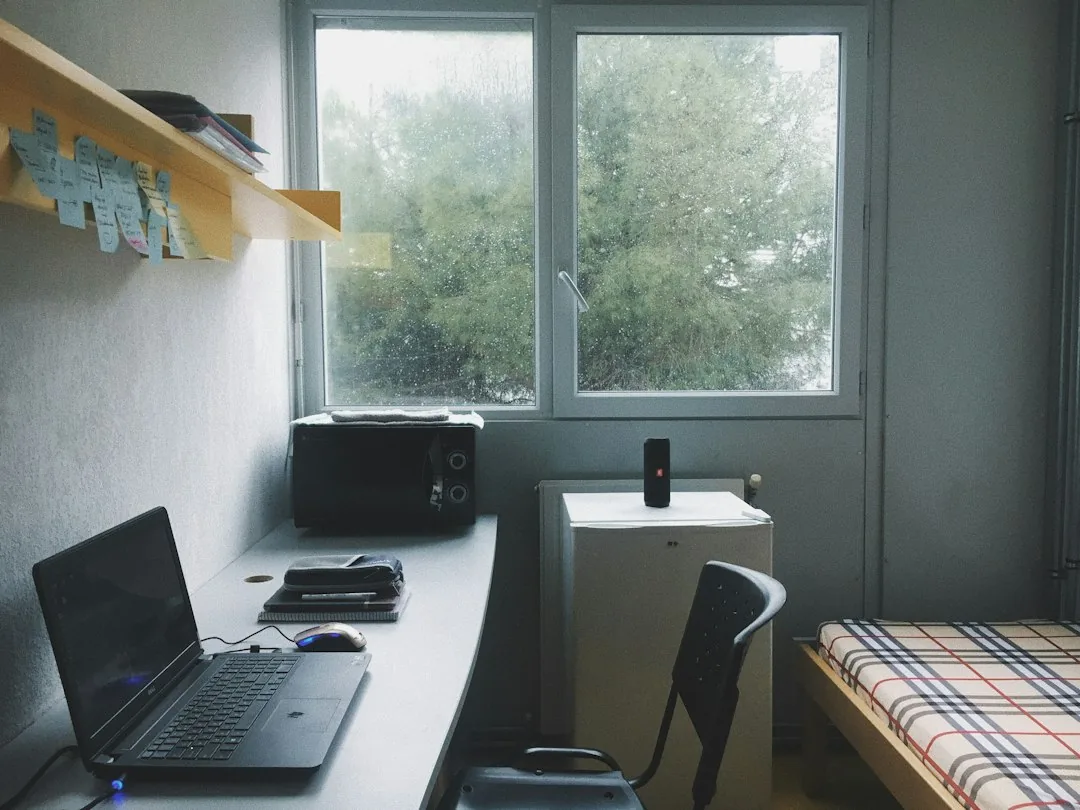
During summer breaks from June to September, prestigious universities across Europe and North America sit empty. Many institutions open their student dormitories and faculty apartments to budget travelers.
Universities in cities like London, Edinburgh, Dublin, and Montreal offer secure single and double rooms. Many include private bathrooms and high-speed internet. These campuses occupy prime central locations with superb transit access. Rates often sit under sixty dollars per night, providing massive savings in otherwise expensive capitals.
Rural Agriturismo and Countryside Farm Stays
If you are traveling through the countryside, bypass standard motels and look for farm stays. In Italy, this legal network is known as agriturismo. Similar programs operate in France as gites ruraux and across Scandinavia as farm holidays.
You stay in renovated stone cottages on working vineyards, olive groves, or fruit orchards. Hosts serve magnificent home-cooked meals featuring fresh cheese, wine, and produce grown on site. Rates are remarkably fair, and the warm hospitality gives you memories that commercial chain hotels can never provide.
Home Exchanges and Verified House Sitting
If you want to eliminate accommodation costs completely, look into home swapping and verified house sitting. Verified platforms connect property owners with caring travelers. In exchange for feeding a family pet or watering plants, you receive free lodging in beautiful homes.
Home exchange networks allow you to trade homes simultaneously with another family abroad. You gain access to a fully equipped kitchen, laundry machines, and a real residential neighborhood. You spend zero dollars on rent, leaving your entire budget for activities and food.

Mountain Huts and Historic Alpine Refuges
For outdoor enthusiasts and hikers, mountain huts provide an extraordinary lodging option. Across the Alps, Pyrenees, and the Rocky Mountains, mountain club huts welcome walkers. These stone refuges perch atop dramatic ridgelines and tranquil valleys.
A bed in a mountain refuge typically costs thirty to forty-five dollars. That price usually includes a hearty multi-course alpine dinner and hot morning porridge. You wake up directly on mountain trails, hours ahead of day-tripping tourists coming from valley hotels.
What Most People Overlook
Most travelers overlook the powerful savings of in-room kitchenettes. Booking a room that includes a stove and refrigerator alters your daily spending. Preparing your own coffee, breakfast, and simple lunches saves thirty to forty dollars per person each day.
People also overlook transit proximity. A cheap hotel fifteen miles outside a city center is rarely a bargain. You burn valuable hours commuting each day. You also spend thirty dollars on late-night taxi fares when trains stop running. A central lodging alternative that costs twenty dollars more per night actually saves money overall.
Common Mistakes Beginners Make
Avoid these costly missteps when booking non-traditional accommodations:
- Ignoring curfew and check-in rules: Monasteries and small guesthouses frequently lock their gates after ten at night.
- Failing to confirm private bathroom status: Always verify whether a room has an en-suite or shared hallway bathroom.
- Overlooking cleaning and utility fees: Verify final totals carefully on home rental platforms before entering card details.
- Booking without checking climate controls: Historic stone buildings and farm stays in southern Europe rarely have central cooling.
- Skipping guest reviews regarding internet speeds: If you work remotely, confirm recent visitors praise the Wi-Fi quality.
- Arriving without local cash: Small countryside guesthouses and alpine huts rarely take international card payments.
Frequently Asked Questions
Are monastery and convent stays welcoming to non-religious travelers?
Yes, they welcome visitors of all backgrounds and beliefs. Guests are simply expected to respect the tranquil atmosphere, observe evening quiet hours, and dress respectfully in common areas.
Do boutique hostels feel too noisy for older or solo travelers?
Boutique hostels cater heavily to mature independent travelers, digital nomads, and couples. Booking a private en-suite room ensures total peace while allowing access to social common rooms whenever you choose.
How far in advance should I reserve university summer rooms?
Reservations generally open between March and May for summer bookings. Central university rooms in popular festival cities like Edinburgh sell out fast, so book two to three months ahead.
