

Disclosure: This guide contains independent recommendations. We may earn a modest commission on verified bookings or gear at zero additional cost to you.
The Dread of Flying with Small Children
For parents of toddlers, boarding an airplane can feel like stepping into a pressure cooker. You worry about ear pain during takeoff, sudden mid-flight screaming meltdowns, and judgmental glares from fellow passengers.
Confining an energetic two-year-old to a small seat for six hours goes against basic child biology. Yet flying with young children does not have to be a miserable endurance test. With the right pacing, tactile toys, and snack strategies, family flights become manageable and calm.
In our own family journeys across continents, we have tested dozens of travel routines. Learning how to manage cabin pressure, cabin boredom, and sensory overload will transform your family flight experience completely.
What Usually Happens in Real Life
Most parents board the airplane exhausted before the engines even start. They rush through airport security lines while wrangling luggage, strollers, and overtired toddlers.
Once seated, they immediately hand their child a tablet loaded with cartoons. For forty-five minutes, peace reigns. Then the child grows restless from screen fatigue. The sensory overstimulation triggers a massive emotional meltdown at thirty thousand feet.
The parents search frantically through stuffed carry-on bags for wipes and snacks that were packed at the very bottom. Anxiety skyrockets, and everyone ends up in tears. This nightmare happens because parents rely solely on passive screens rather than active sensory engagement.

The Ninety-Minute Wrapped Toy Surprise Strategy
To keep young children genuinely engaged, use the wrapped mystery toy technique. Visit a dollar store before your trip and purchase six to eight inexpensive novelty items.
Buy reusable sticker pads, small tubs of play dough, washable coloring pens, and miniature vehicle toys. Wrap each item individually in colorful tissue paper. Every ninety minutes of flight time, award your child one wrapped present.
The physical act of unwrapping tissue paper provides tactile pleasure and suspense. Exploring the new toy commands their focused attention for forty-five minutes. When interest wanes, bring out the next mystery package.
Managing Takeoff and Landing Ear Pressure
Ear pain caused by cabin pressure changes is the number one cause of infant and toddler screaming on flights. Young eustachian tubes are narrow and struggle to equalize air pressure rapidly.
Swallowing is the most effective mechanical way to open eustachian tubes. Save your child’s favorite liquid drink or fruit pouch strictly for descent. Do not let them finish the drink while still cruising at high altitude.
Timing is everything. As soon as the pilot announces the initial descent, hand your child a water bottle with a straw, a fruit pouch, or a chewable snack. The continuous swallowing motion prevents ear pressure from building into sharp pain.

The Bento Box Grazing Snack System
Airplane food is unpredictable, often unpalatable to toddlers, and served on rigid airline schedules. Low blood sugar combined with sensory fatigue guarantees behavioral meltdowns.
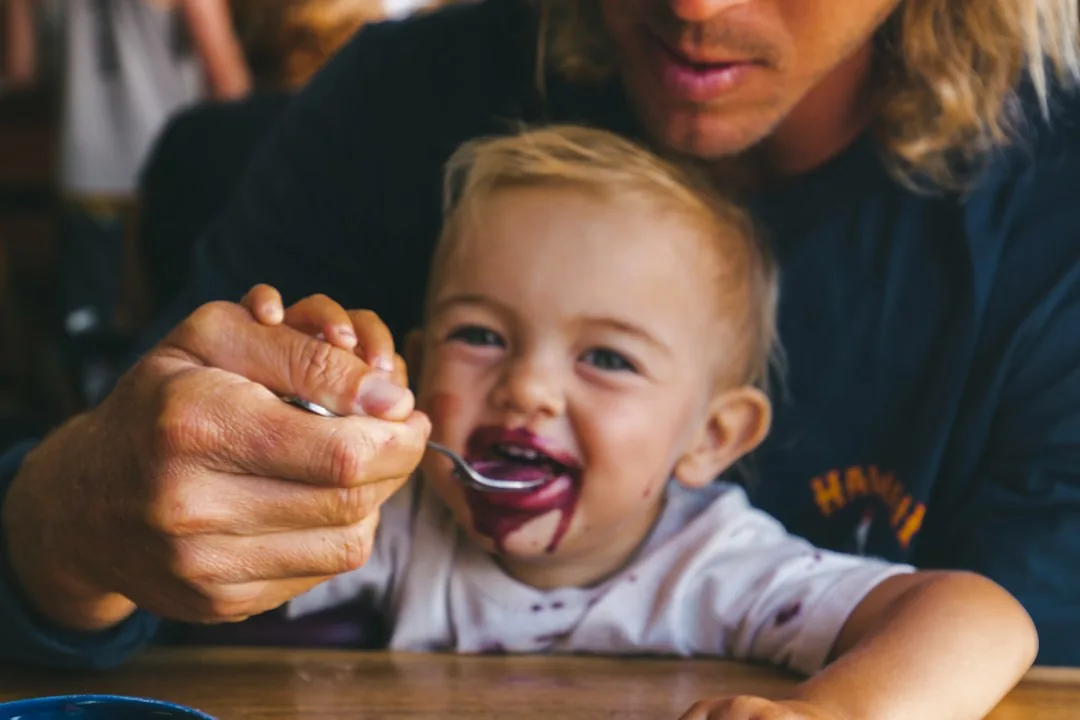
Pack a multi-compartment bento snack container filled with diverse, protein-rich finger foods. Include cheese cubes, whole grain crackers, dried berries, cucumber rounds, and pretzel sticks. Avoid high-sugar candies that trigger sudden energy spikes followed by irritable crashes.
Opening small compartments and selecting different treats turns eating into an interactive puzzle. It keeps little hands busy while providing steady physical energy throughout the journey.
Boarding Strategy: Splitting the Family Arrival
Airlines always offer priority pre-boarding for families traveling with small children. While tempting, boarding first actually forces your toddler to sit inside a cramped, stuffy cabin for an extra forty-five minutes.
Instead, use the split-boarding method if traveling with a partner. One parent boards during priority pre-boarding with all the heavy carry-on bags and installs the car seat. They secure overhead bin space and organize footwell essentials.
The second parent stays at the gate area with the toddler. Let the child run, jump, and burn off energy until the final boarding call. Boarding last minimizes cabin confinement time significantly.
Choosing the Right In-Cabin Stroller and Car Seat
Gate-checking large strollers often results in broken frames or twenty-minute waits on drafty jet bridges upon arrival. Invest in an ultra-compact folding stroller that fits inside standard overhead baggage compartments.
Brands like Babyzen and GB Pockit fold down to the size of a tote bag. You roll your child straight to the airplane door, fold the frame in three seconds, and slide it into the bin. You step off the plane at your destination and roll immediately toward customs without waiting.
What Most People Overlook
Most parents overlook the necessity of packing a complete change of clothes for themselves, not just for the children. Toddler motion sickness, spilled juices, and diaper blowouts do not respect seat boundaries.
Sitting in a wet, stained shirt for seven hours across the ocean is deeply miserable. Pack a lightweight spare t-shirt and yoga pants for each parent in an exterior backpack pocket. Seal wet soiled garments inside ziplock plastic freezer bags until landing.

Common Mistakes Beginners Make
Keep your family flights smooth by avoiding these frequent travel blunders.
- Packing snacks at the bottom of carry-on bags: Keep food pouches and wipes in quick-access exterior zippered pockets.
- Letting children walk barefoot down airplane aisles: Airplane carpet fibers collect heavy germ loads, so keep slip-on shoes on.
- Skipping bathroom visits before boarding calls: Airport terminal restrooms are far more spacious than cramped airplane stalls.
- Relying on airplane Wi-Fi to stream shows: Always download movies and offline games to devices before leaving home.
- Forgetting toddler child headphones: Adult earbuds fall out of small ears, so bring padded volume-limiting headphones.
- Overloading carry-on bags with unnecessary heavy gear: Pack light so you can move nimbly through terminals.
- Getting frustrated by fellow passenger reactions: Focus your warm attention on your child rather than worrying about strangers.
Frequently Asked Questions
Should I bring a car seat onto the airplane for my toddler?
Yes, if your budget allows purchasing a dedicated seat. FAA-approved car seats provide superior crash safety and keep toddlers in a familiar restraint where they sleep more easily.
How do I handle diaper changes inside tiny airplane bathrooms?
Pack small disposable changing kits containing one diaper, a travel pack of wipes, and a disposable pad inside a ziplock bag. Take only this pouch to the lavatory instead of hauling your entire diaper bag.
Are flight attendants able to warm baby bottles or food?
Flight attendants cannot microwave bottles for safety reasons, but they will gladly bring you a cup of hot water to warm bottles through immersion.
