

Disclosure: This guide contains independent recommendations. We may earn a modest commission on verified bookings or gear at zero additional cost to you.
The Biological Reality of Mountain Cold
Mountain weather is notoriously unpredictable. A sunny morning with pleasant sixty-degree temperatures can shift into freezing rain and fifty-mile-per-hour gusts within thirty minutes.
In the wilderness, getting cold and wet is not merely uncomfortable. It is the direct precursor to hypothermia, which impairs judgment and motor skills rapidly.
Staying warm in the backcountry does not mean wearing the thickest, heaviest coat you own. It means mastering a dynamic, modular three-part layering system. By managing sweat and insulation proactively, you stay comfortable through every weather shift.
What Usually Happens in Real Life
A beginner hiker steps onto the trail on a crisp autumn morning wearing a heavy cotton hoodie under an insulated ski jacket. They feel comfortably warm at the trailhead.
Within fifteen minutes of steep uphill climbing, their body generates immense heat. Sweat pours down their back, soaking their cotton shirt completely. Feeling overheated, they unzip their coat.
When they reach the windy mountain ridge and stop hiking, their wet cotton shirt holds cold moisture against their skin. Cold winds suck heat from their body twenty-five times faster than dry air. Shivering begins almost instantly. This dangerous condition occurs because cotton traps water rather than shedding it.
The Golden Rule: Cotton Is Rotten
The cardinal rule of outdoor adventure is: never wear cotton clothing in the backcountry. Cotton fibers are hydrophilic, absorbing up to twenty-seven times their weight in water.
Once cotton gets wet from sweat or rain, it loses all insulating properties. It clings to your skin like an icy wet blanket, draining your core temperature rapidly.
Replace every cotton garment in your pack with high-performance synthetic fibers or natural merino wool. Synthetics like polyester and nylon dry rapidly, while merino wool retains insulating warmth even when damp.
Base Layers: Next-to-Skin Moisture Transport
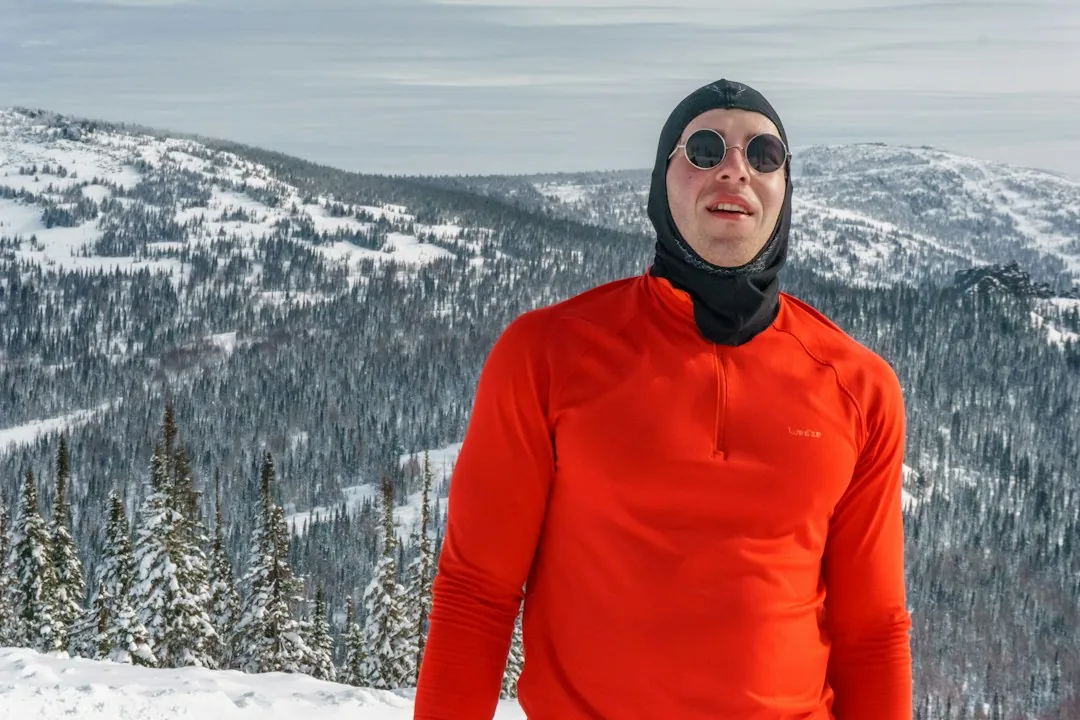
Your base layer has one primary mission: pull sweat away from your skin immediately. It acts as an active moisture pump, moving perspiration to outer layers before it can cool.
Choose lightweight merino wool or grid-fleece synthetic fabrics. A fitted base layer should sit snugly against your skin without restricting movement.
Merino wool offers natural antimicrobial qualities that resist body odor across multi-day treks. Synthetic base layers wick moisture slightly faster and dry in half the time. Carry a light long-sleeve top and thermal tights for variable mountain conditions.
In our own alpine climbs, switching from damp cotton shirts to two-hundred-gram merino wool base layers eliminated post-climb chills completely. You arrive at exposed windy summits feeling dry, warm, and comfortable.
Mid-Layers: Trapping Warm Air Pockets
Your mid-layer provides active thermal insulation. It traps warm air warmed by your body heat while allowing vaporized sweat to pass outward.
Fleece jackets, breathable synthetic insulation like PrimaLoft, and boiled wool make outstanding mid-layers. Fleece remains highly breathable while moving uphill under a backpack.
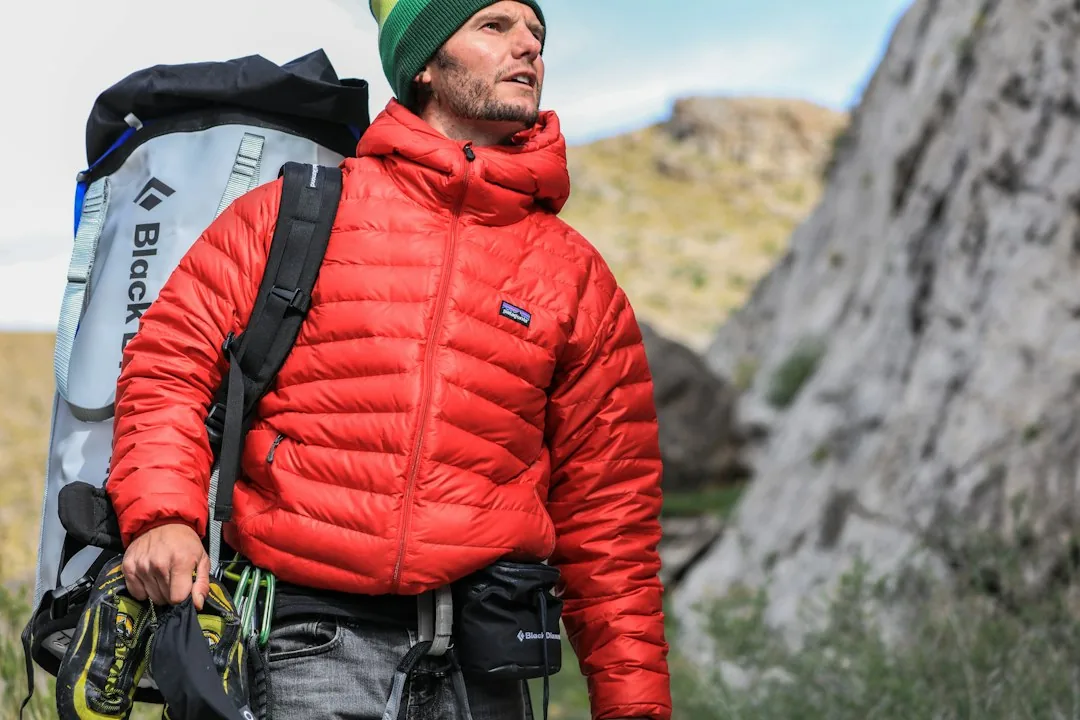
For resting at campsites or cold summit breaks, pack an ultralight goose down puffer jacket. Down offers the highest warmth-to-weight ratio in existence, packing down to the size of a water bottle.
Outer Shell: Weather Protection and Windproofing
Your outer layer is your armored barrier against howling wind, pouring rain, and heavy snow. Even the warmest down jacket is useless if wet from rain or pierced by freezing wind.
Invest in a high-grade waterproof, breathable hard-shell jacket featuring membranes like Gore-Tex, Pertex, or eVent. Look for taped seams, an adjustable storm hood, and underarm pit zips.
Pit zips allow you to dump excess heat and humidity while hiking uphill in driving rain. A durable rain shell is non-negotiable safety gear on any backcountry trek.
The ‘Be Bold, Start Cold’ Philosophy
When standing at a chilly trailhead, human instinct tells you to bundle up in all your warm layers. Resist this temptation.
Within ten minutes of hiking uphill with a backpack, your working muscles generate massive thermal energy. If you start out warm, you will soak your base layer with sweat before you realize it.
Adopt the trail philosophy: ‘Be bold, start cold.’ Step onto the trail feeling slightly chilly in just your base layer and wind shell. Within five minutes of steady pacing, your body heat will bring you to perfect operating temperature.
Keep your warm insulating mid-layer packed at the very top of your backpack. When you pause for water breaks or summit viewpoints, immediately pull on your fleece or down jacket before your body cools down.
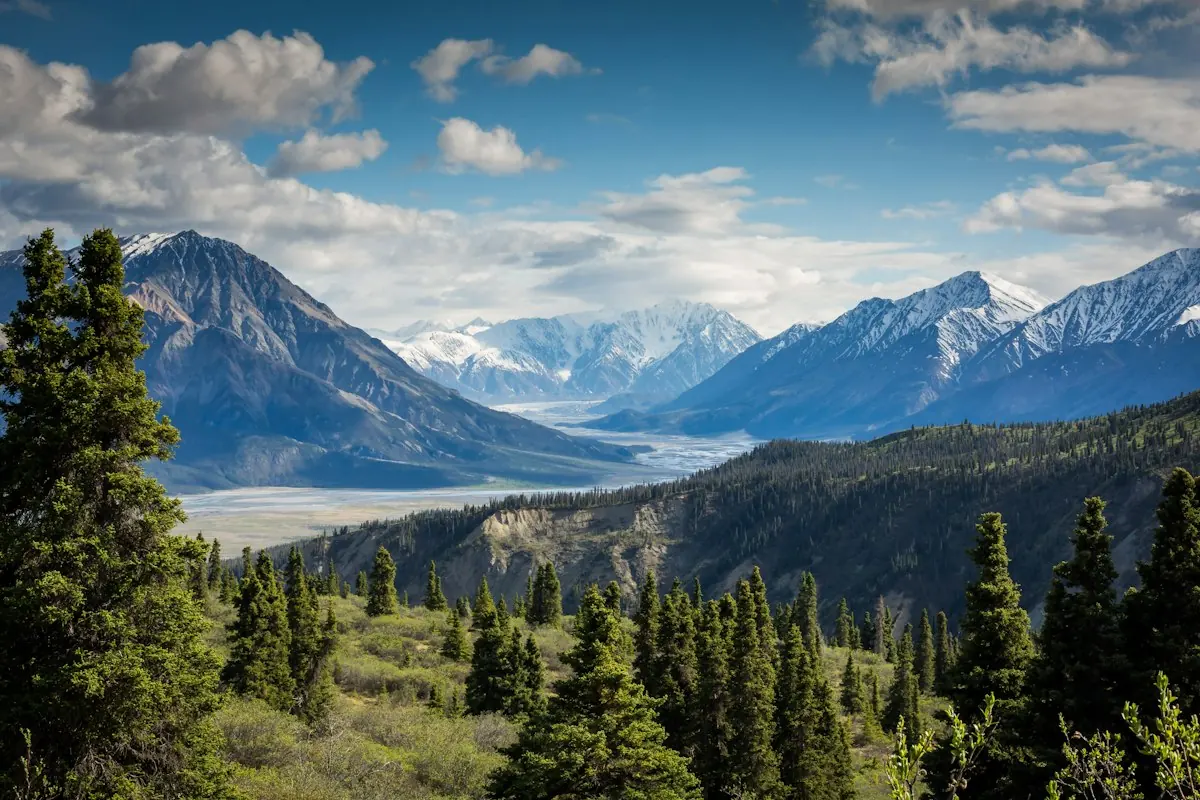
What Most People Overlook
Most hikers overlook the importance of protecting their extremities. Your body naturally constricts blood flow to hands and feet to protect internal core organs when cooling down.
Cold hands make simple tasks like pitching tents or lighting camp stoves impossible. Pack windproof fleece gloves, a warm merino beanie, and waterproof shell mittens. Adding a warm hat warms your entire body faster than putting on a heavy jacket.
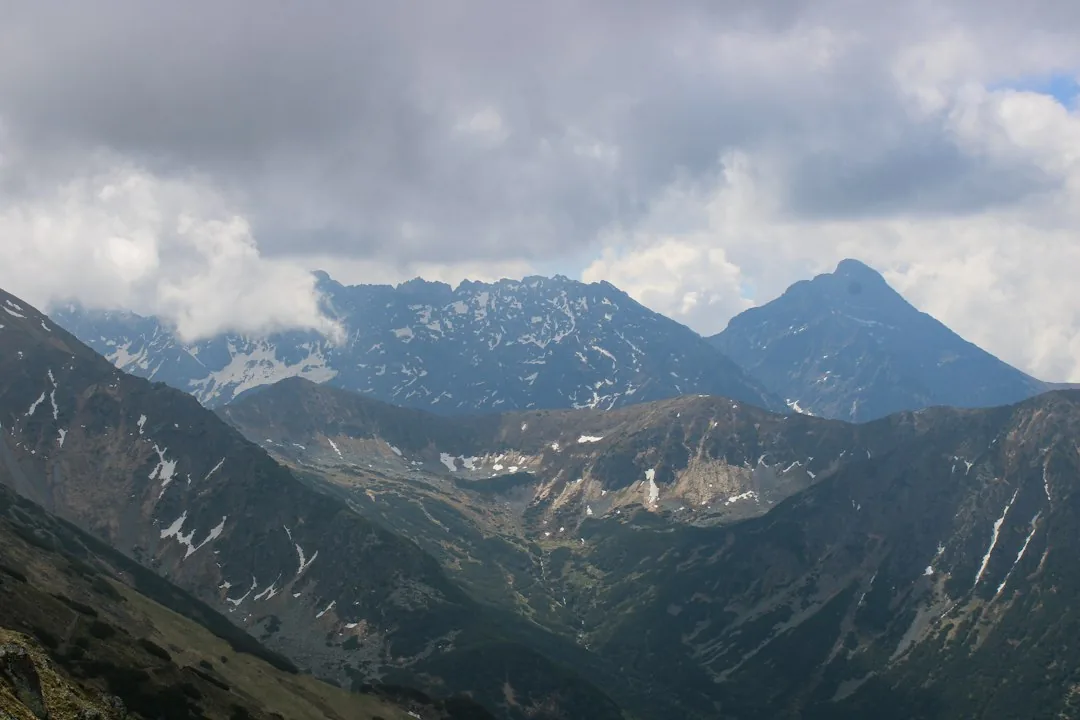
Common Mistakes Beginners Make
Master your backcountry layering system by avoiding these frequent clothing mistakes.
- Waiting until sweating profusely to remove outer layers: Strip mid-layers off the moment you feel warm on inclines.
- Wearing heavy cotton denim jeans on mountain trails: Denim absorbs moisture and takes days to air dry in tents.
- Forgetting waterproof rain pants on exposed alpine treks: Soaked hiking pants transfer cold directly to thighs and groin.
- Compressing wet down jackets inside stuff sacks: Wet down feathers clump and lose insulating loft completely.
- Skipping dedicated dry sleeping clothes: Keep one dry base layer sealed in a waterproof dry bag strictly for sleeping.
- Ignoring pit zips on waterproof jackets: Open underarm vents early to prevent condensation buildup inside shells.
- Wearing tight footwear that restricts blood circulation: Tight boots compress insulating socks and cause freezing toes.
Frequently Asked Questions
Is down insulation better than synthetic insulation for mountain travel?
Down is lighter and compresses smaller, making it superior for dry cold conditions. Synthetic insulation retains warmth when wet and dries faster, making it better for humid, rainy climates.
How can I dry damp base layers inside a tent overnight?
Place slightly damp synthetic socks or shirts inside your sleeping bag against your torso. Your body heat dries the fabric while you sleep.
What should I do if my down jacket gets thoroughly soaked in rain?
Never compress soaked down. Squeeze out excess water gently, wrap it in a dry camp towel, and air dry it near camp heat sources without scorching.
