

Disclosure: This guide contains independent recommendations. We may earn a modest commission on verified bookings or gear at zero additional cost to you.
The Hidden Costs of Cheap Budget Flights
Budget airlines love advertising nineteen-dollar tickets across continents. Yet by the time you pay for seat selection, carry-on bags, and airport shuttles, that ticket costs one hundred and twenty dollars. In addition, secondary airports often sit sixty miles outside target cities.
You spend four hours wrestling through security lines and remote baggage terminals. Overland transit, by contrast, drops you directly into historic downtown centers. You skip luggage weigh-ins, liquid restrictions, and long terminal walks. Mastering ground transit delivers huge savings while making every travel day relaxed and scenic.
What Usually Happens in Real Life
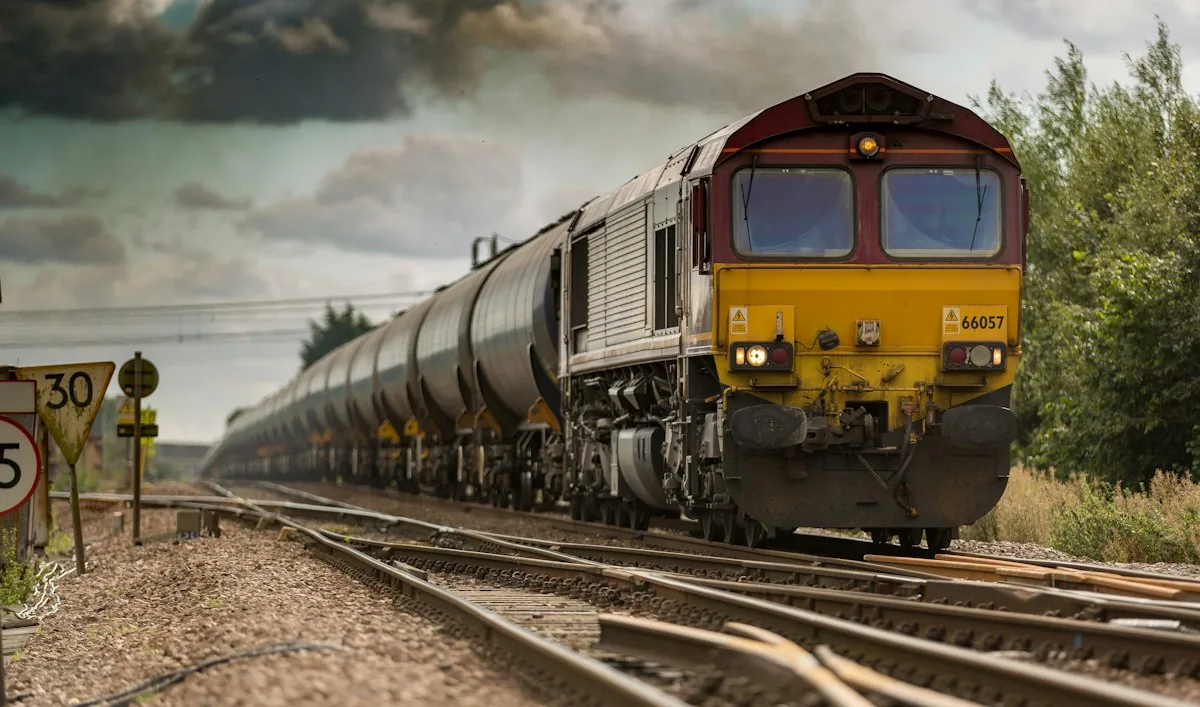
Most travelers stroll into a central train station on the morning of their journey. They walk up to the ticket window and ask for two tickets to the next city. The agent quotes one hundred and forty euros per seat.
Shocked by the price, they hand over their credit card because they have no other plan. They failed to realize that modern national railways use dynamic airline pricing. The exact same seat was available online four weeks earlier for nineteen euros. Walk-up tickets carry the highest possible penalty fare. Understanding how railway booking windows operate stops you from throwing money away.
Unlocking the Night Train Double Savings Hack
Night sleeper trains are making a massive comeback across Europe, Asia, and North America. Operators like Nightjet in Europe and sleeper routes in Thailand or Vietnam offer cozy couchette berths. A sleeper ticket carries a brilliant financial advantage.
It solves two budget items with one single purchase. You cover hundreds of miles while sleeping soundly. In doing so, you eliminate the expense of a hotel room for that night. You wake up refreshed in the center of your new destination at eight in the morning, ready to explore immediately.
The Modern Intercity Bus Advantage
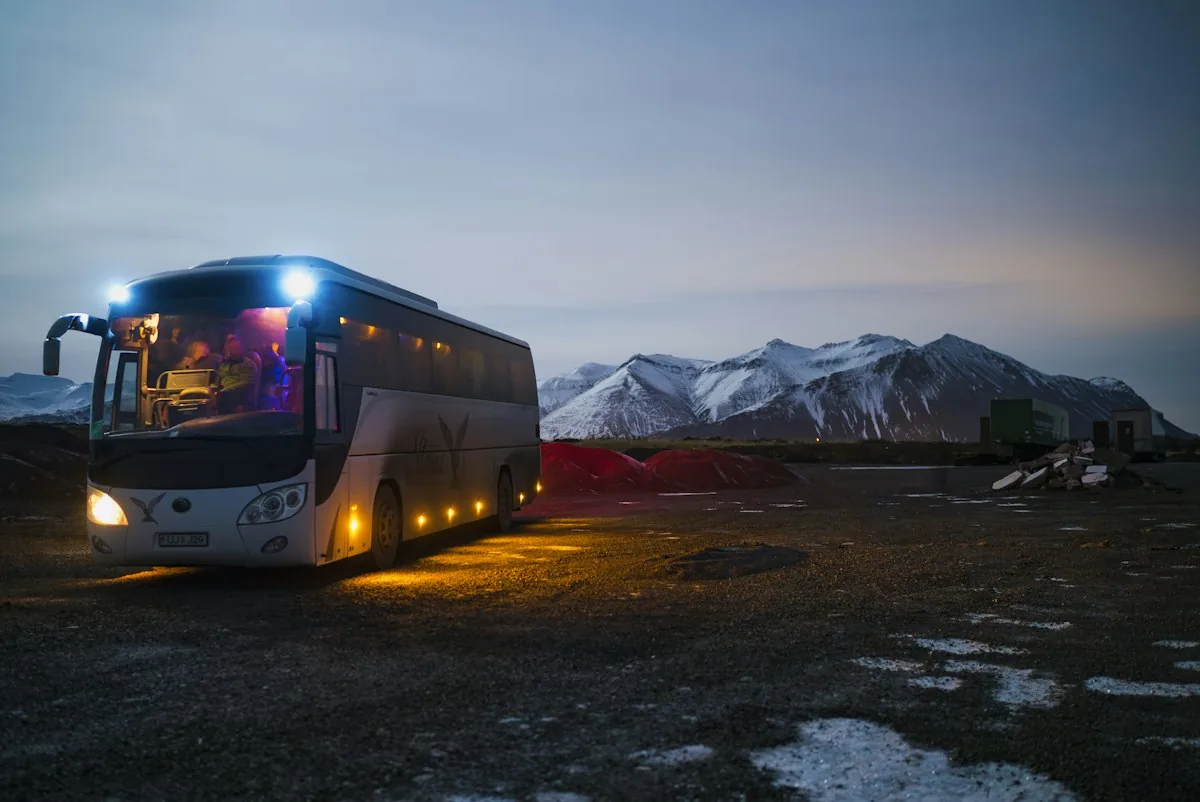
Forget old stereotypes about rundown, cramped buses. Modern long-distance coach networks like FlixBus, BlaBlaCar Bus, and Rede Expressos operate state-of-the-art vehicles. They feature plush reclining seats, individual power outlets, and free Wi-Fi.
More importantly, their ticket prices remain staggeringly low. You can frequently book five-hour city connections across Germany, France, or Spain for eight to fifteen dollars. Booking just a few days in advance still delivers massive savings compared to high-speed rail.
Booking on Official National Rail Portals
Never buy train tickets through third-party aggregator portals that tack on booking commissions. Always book directly on the official national rail website. In France, use SNCF Connect. In Germany, use Deutsche Bahn. In Italy, check Trenitalia and Italo.
Buying directly gives you access to advance purchase fares called supersaver tickets. These non-refundable promotional fares open sixty to ninety days before travel dates. They offer discounts of up to seventy percent compared to regular standard tickets.
The Slow Regional Train Strategy
If you miss advance promotional fares on bullet trains, look at regional trains. In Italy, Regionale trains run the same routes as Frecciarossa high-speed trains. They take forty minutes longer, but their prices remain completely fixed.
A regional train ticket costs the same whether you buy it three weeks early or five minutes before departure. You enjoy uncrowded cars with opening windows that let you photograph the rolling countryside. You save fifty percent of the fare without sacrificing schedule flexibility.

Taking Public Ferries Instead of Tourist Cruises
When traveling along coastlines or lake regions, private boat tours charge outrageous prices. A private harbour cruise in Sydney, Venice, or Istanbul can cost fifty to eighty dollars. Meanwhile, municipal commuter ferries sail the identical waters for two or three dollars.
In Venice, the public vaporetto water bus lets you cruise the Grand Canal with a standard day pass. In Istanbul, the public Bosphorus ferry gives you panoramic views of palaces and mosques for pocket change. Step out onto the open passenger deck and enjoy million-dollar views on a regular transit fare.

Ridesharing and Carpooling Networks for Cheap Intercity Hops
Another powerful overland transit tool is verified long-distance carpooling. Services like BlaBlaCar connect drivers with empty car seats to travelers heading in the exact same direction. Millions of commuters across Europe and Latin America use this daily.
You pay a modest contribution toward gas and highway tolls, typically ten to twenty dollars for a three-hour journey. You get picked up near city centers and travel directly to your destination. Along the way, you practice local language skills with friendly residents who share insider recommendations.

What Most People Overlook
Most travelers overlook regional day passes and group tickets. Many rail networks offer unlimited day travel cards for small groups. In Germany, the Quer-durchs-Land-Ticket lets up to five people travel across the entire country on regional lines for a single combined fee.
Another overlooked factor is station location costs. Flying with a budget airline to an airport seventy miles outside town requires thirty dollars per person in bus shuttles. High-speed rail terminates directly in town squares, allowing you to walk straight to your lodging for zero transit cost.
Common Mistakes Beginners Make
Keep your transit expenses low by steering clear of these common pitfalls.
- Buying rail tickets at third-party resellers: Intermediary booking apps charge service markups on every single journey.
- Forgetting to validate regional paper tickets: Failing to stamp paper tickets in station stamping machines results in hefty fines.
- Ignoring seat reservation requirements: Certain high-speed trains require compulsory seat bookings even if you hold a rail pass.
- Arriving without downloaded offline transit maps: Download offline station maps on your phone to find connections smoothly.
- Packing too heavy for train steps: Heavy luggage makes running for quick railway platform transfers exhausting and stressful.
- Skipping national railway app notifications: Official rail apps send live platform updates and delay notices straight to your phone.
Frequently Asked Questions
Is an unlimited rail pass better than buying individual tickets?
Rail passes like Eurail are rarely cost-effective unless you take long spontaneous journeys across multiple borders daily. Booking point-to-point supersaver tickets on national rail portals months ahead is almost always cheaper.
Are long-distance coach buses safe and comfortable for solo travelers?
Yes, major intercity coach companies maintain rigorous safety standards. Drivers follow strict legal driving hour regulations, and coaches are equipped with tracking and seatbelts.
How early should I arrive at a train station before departure?
Unlike airports requiring two hours of waiting, arriving twenty minutes before departure is standard for rail travel. This gives you plenty of time to check the platform board and board calmly.
