

Disclosure: This guide contains independent recommendations. We may earn a modest commission on verified bookings or gear at zero additional cost to you.
The Myth of Pristine Alpine Water
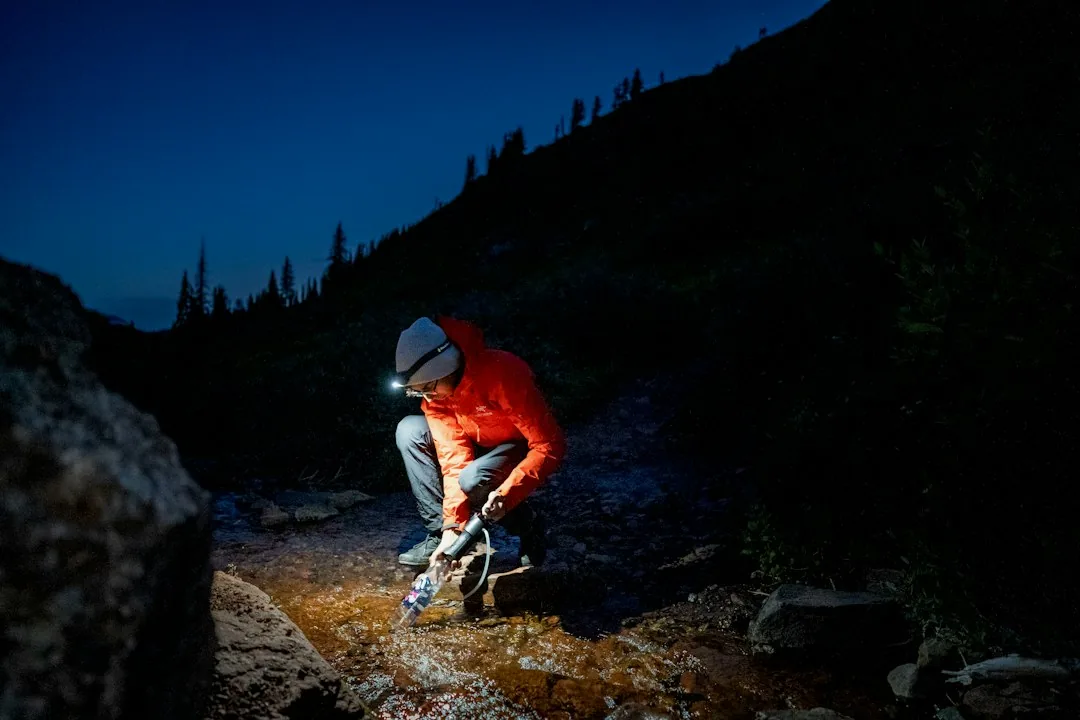
Nothing looks more tempting after a grueling eight-mile climb than a sparkling alpine stream tumbling over granite rocks. The water appears crystal clear, ice cold, and untouched by human hands.
Yet drinking untreated backcountry water is one of the quickest ways to ruin a wilderness trek. Upstream animals like deer, beavers, and mountain goats deposit microscopic parasites directly into waterways.
Pathogens like Giardia lamblia and Cryptosporidium cause severe intestinal cramps, explosive diarrhea, and chronic dehydration. Sourcing and treating water properly is a foundational survival skill that every adventure traveler must master.
What Usually Happens in Real Life
A hiker sets out on a multi-day backcountry trek with a single micro-filter. On day two, they encounter murky glacial silt water.
They force silt water through the delicate filter without pre-filtering. Within two liters, the filter membrane clogs completely. Unable to produce clean water, the hiker gambles and drinks directly from a cold stream.
Forty-eight hours later, severe stomach cramps strike ten miles from the nearest road. Dehydration drains their physical energy, making hiking impossible. Search and rescue must be called. This scenario is completely preventable with proper multi-layered water treatment knowledge.
Hollow-Fiber Squeeze Filters: The Modern Trail Standard
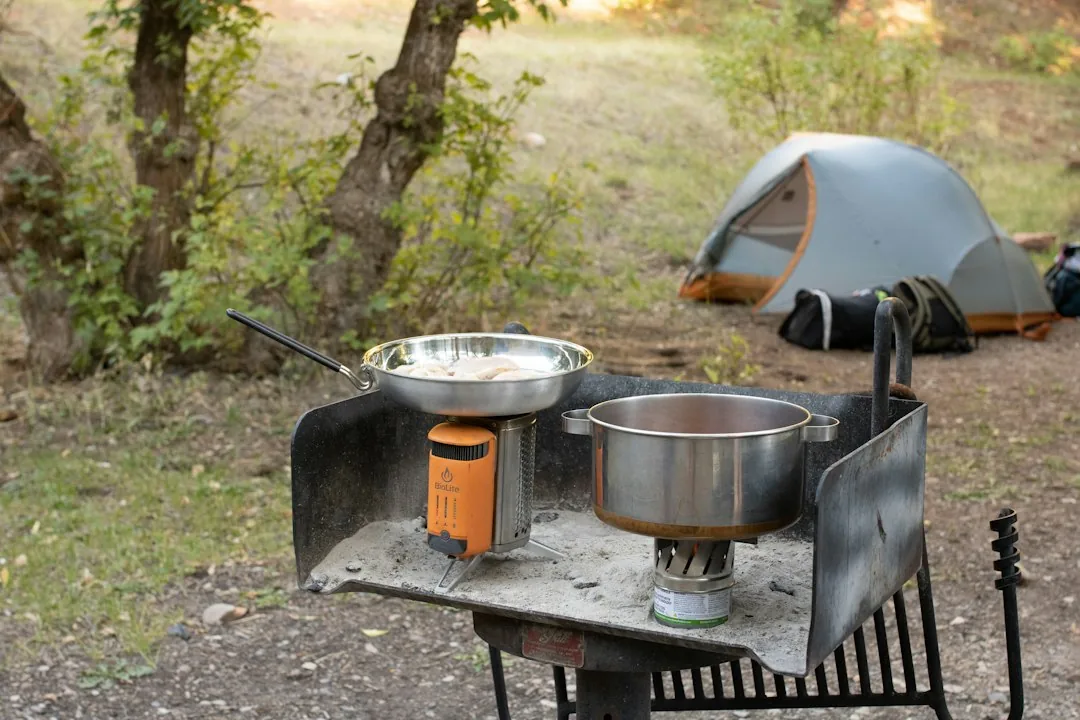
Hollow-fiber membrane filters like the Sawyer Squeeze and Platypus QuickDraw dominate modern thru-hiking trails. These compact devices weigh under three ounces and fit in the palm of your hand.
Water passes through microscopic U-shaped tubes with 0.1-micron pores. Bacteria and protozoan cysts are physically blocked while clean water flows freely into your bottle.
They require no batteries, no chemical wait times, and minimal maintenance. Simply fill a flexible pouch from a stream, screw on the filter, and drink directly from the nozzle. Always protect hollow-fiber filters from freezing temperatures, which can crack internal tubes.
In our field testing across thousands of trail miles, hollow-fiber filters proved exceptionally reliable. Keep an extra gasket and a plastic cleaning syringe in your pack. Flushing clean water backwards through the filter clears sediment buildup and keeps flow rates fast.
Gravity Filtration Systems for Group Camps
Squeezing water pouches by hand after hiking fifteen miles can feel exhausting. If you travel with partners or manage a base camp, switch to a gravity filtration setup.
Fill a large four-liter reservoir with raw stream water and hang it from a high tree branch. Connect a flexible hose running down to the inline filter and clean collection container.
Gravity does all the physical work while you set up tents and change out of trail shoes. A good gravity system produces four liters of crystal-clean water in under five minutes with zero effort.
This hands-free approach frees up camp time for cooking dinner or treating sore muscles. It is the most civilized water treatment method for multi-person wilderness expeditions.
Ultraviolet (UV) Purification for Clear Water
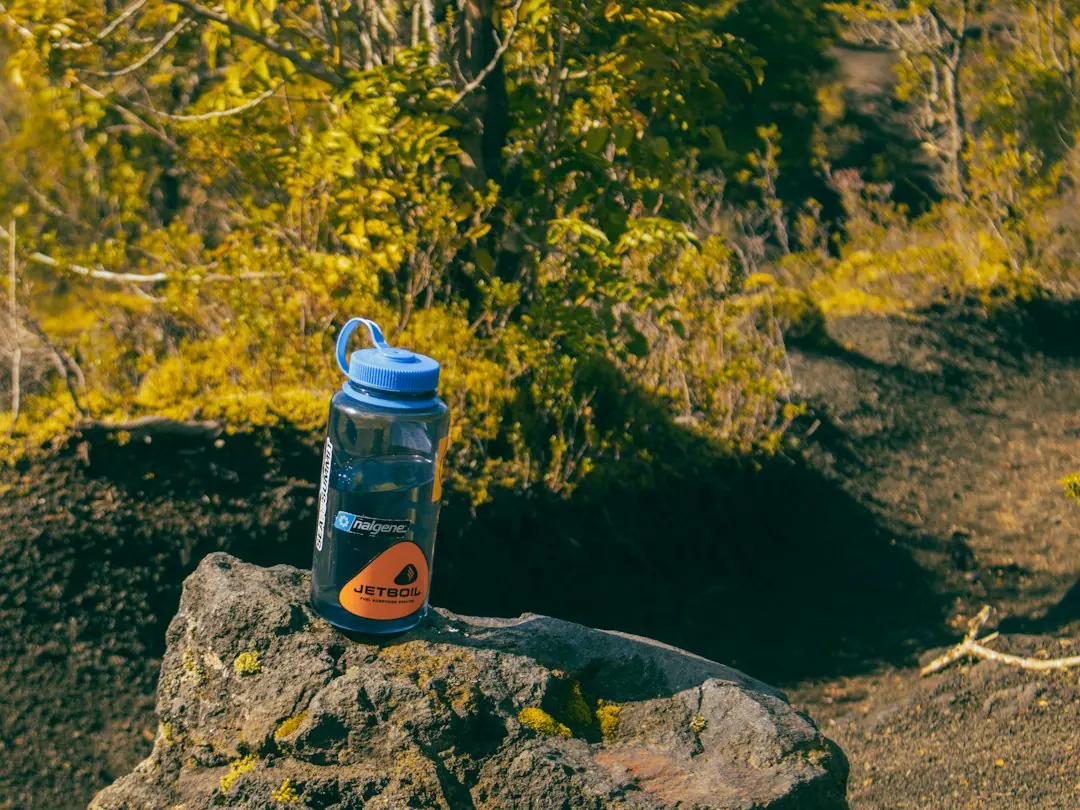
Handheld ultraviolet purifiers like the SteriPEN offer high-tech speed. Stirring a UV lamp wand inside a one-liter water bottle for ninety seconds scrambles microbial DNA.
Bacteria, protozoa, and viruses become sterile and harmless. UV treatment leaves zero chemical aftertaste and preserves the refreshing natural flavor of mountain water.
However, UV purification requires crystal-clear water to function effectively. Floating silt or tannin particles shield microbes from ultraviolet rays. Carry a bandana or coffee filter to pre-filter particulate matter before running the UV cycle.
Chemical Treatment: Chlorine Dioxide Tablets
Chemical purification tablets are the ultimate lightweight insurance policy. Unlike older iodine tablets that leave foul medicinal tastes, chlorine dioxide produces clean-tasting water.
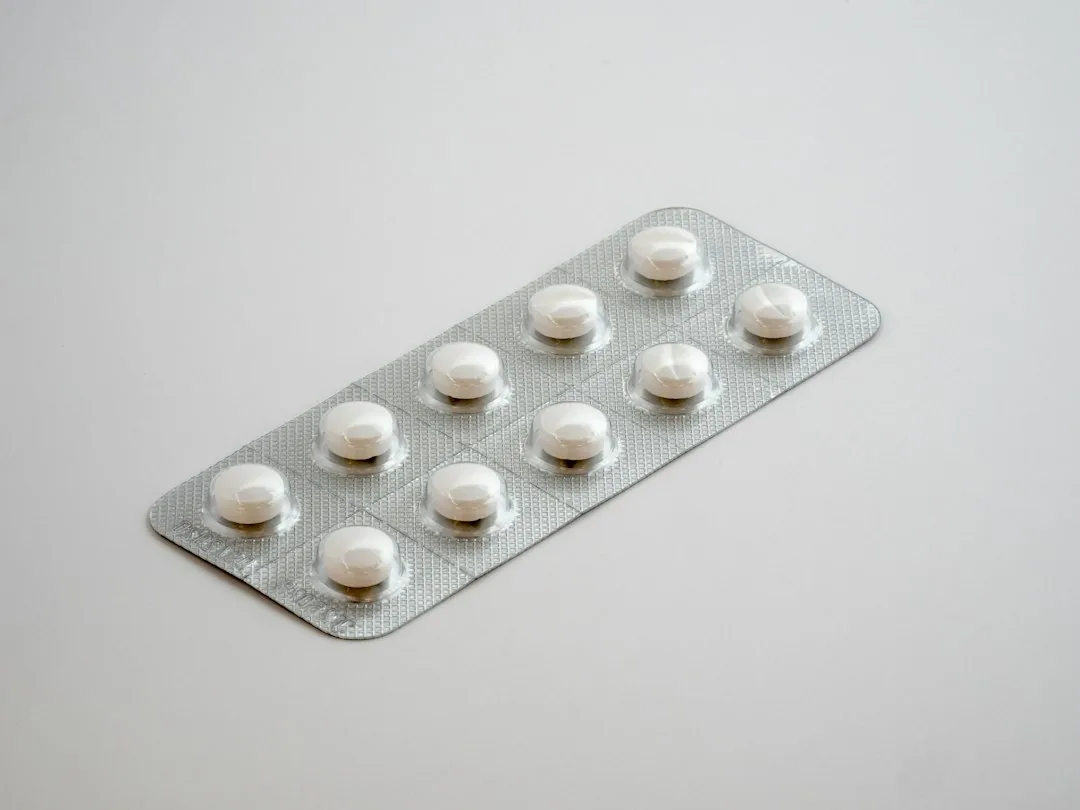
Chlorine dioxide releases oxygen radicals that destroy all forms of waterborne pathogens, including hardy Cryptosporidium oocysts and viruses. A foil strip of twenty tablets weighs less than a single ounce.
Drop one tablet into a liter of water and wait thirty minutes before drinking. Keep a strip permanently tucked inside your first aid kit as an unbreakable backup if mechanical filters fail.
The Time-Tested Rolling Boil
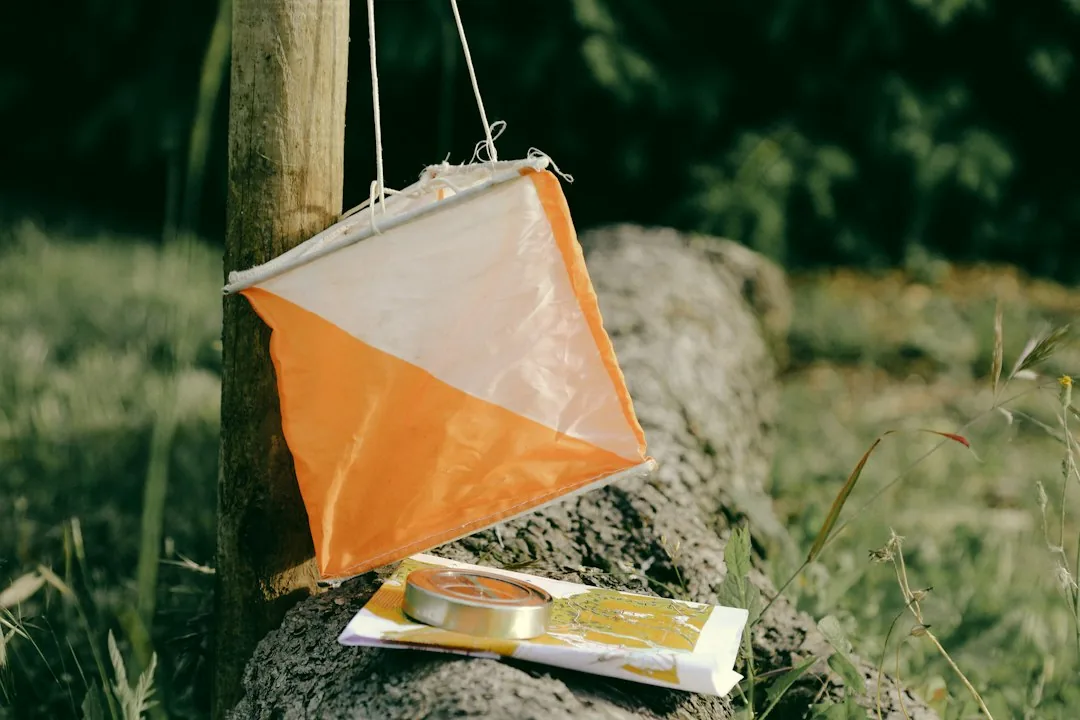
Boiling is the most comprehensive water purification method on earth. Heat kills all bacteria, parasites, and viruses reliably without relying on mechanical seals or chemicals.
Bring stream water to a vigorous, rolling boil on your camp stove for one full minute. If camping above six thousand feet where water boils at lower temperatures, extend boiling time to three minutes.
Allow the water to cool before drinking. While boiling consumes camp stove fuel, it is the safest method when treating water for evening freeze-dried dinners and morning oatmeal.
What Most People Overlook
Most travelers overlook the vulnerability of hollow-fiber filters to sub-freezing temperatures. If water freezes inside a hollow-fiber filter, ice expands and shatters the microscopic capillary tubes.
The filter will continue flowing freely, giving the dangerous illusion that it still works. In reality, pathogens pass straight through the ruptured membrane. When camping in cold mountain weather, sleep with your water filter inside your sleeping bag to keep it warm.
Common Mistakes Beginners Make
Keep your backcountry water supply safe by avoiding these frequent trail mistakes.
- Collecting water near livestock grazing pastures: Always hike upstream past agricultural fields to source cleaner water.
- Cross-contaminating clean bottles with dirty hands: Wash hands thoroughly after handling dirty collection bags.
- Filtering silty glacial runoff without pre-settling: Let muddy water settle in a pot for an hour before running it through filters.
- Allowing water collection pouches to freeze overnight: Store damp filter units inside your jacket or sleeping quilt.
- Drinking untreated water because it looks crystal clear: Microscopic cysts are invisible to the naked human eye.
- Forgetting to backflush filters regularly: Backflushing clears trapped debris and restores fast flow rates.
- Traveling without chemical tablet backups: Always pack emergency chlorine dioxide tablets in your first aid kit.
Frequently Asked Questions
Do backcountry filters remove viruses as well as bacteria?
Standard 0.1-micron filters remove bacteria and protozoa like Giardia, but not tiny viruses. In remote wilderness areas in North America, viruses are rare. In developing regions, use purifiers or add chemical drops.
How can I clean silty glacial water without clogging my filter?
Pour silty water into a bucket and stir in a pinch of alum powder or let it sit undisturbed overnight. Silt settles to the bottom, allowing you to filter the clear top layer cleanly.
Can I get sick from splashing stream water on my face while washing?
Washing your face is safe as long as you keep your mouth and eyes closed tightly. Ingesting even a single drop of contaminated water can transmit Giardia cysts.
